Water Softener Service in Seattle
Water softener service helps correct hard water, mineral buildup, poor regeneration, salt problems, control valve failures, and declining system performance. Seattle Plumbers inspects, tests, repairs, maintains, installs, and replaces residential and commercial water softening systems across Seattle.
Our plumbers work with ion exchange systems, resin tanks, brine tanks, control valves, bypass valves, drain lines, injectors, flow meters, and related components. We identify the cause of the problem, complete the required service, and verify soft water performance before the job is finished.
Service for Hard Water and Mineral Buildup
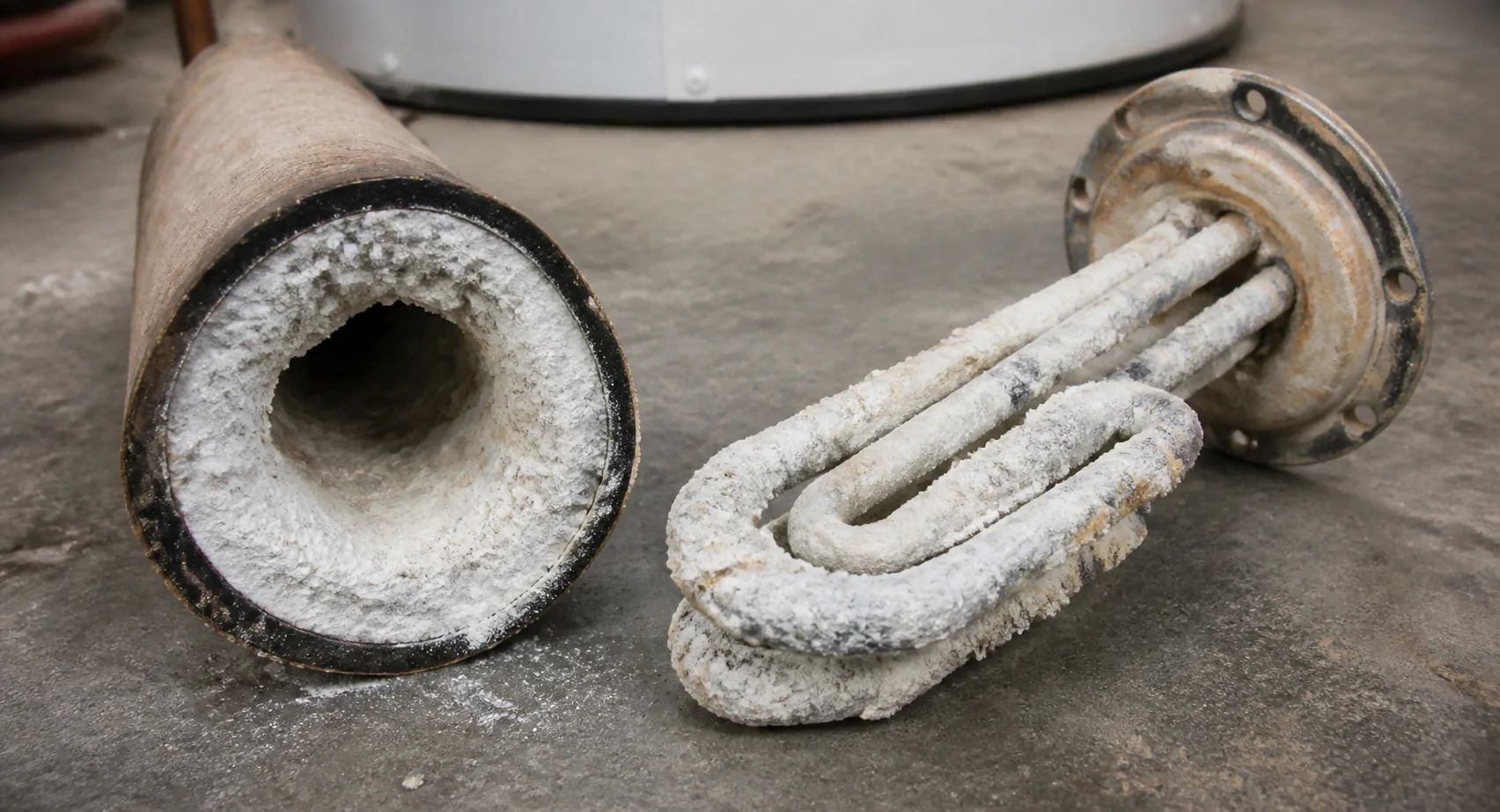
Service for hard water and mineral buildup restores the system's ability to reduce calcium and magnesium in the household water supply. Hard water contains dissolved hardness minerals, and those minerals can leave scale on faucets, showerheads, fixtures, dishes, plumbing, and water-using appliances.
A properly operating ion exchange system uses resin beads to exchange hardness minerals during normal water flow. Salt stored in the brine tank regenerates the resin bed, and the control valve manages each regeneration cycle.
If that process stops working correctly, Seattle Plumbers can test the water hardness, inspect the system, diagnose the failed component, and complete the appropriate repair or maintenance service.
Common Problems We Repair
Common problems we repair include mineral spotting, salt issues, regeneration failures, leaks, pressure loss, valve problems, and poor soft water performance.
Call for service if you notice:
- White scale returning on fixtures
- Soap scum around sinks or showers
- Cloudy or spotted glassware
- Water that still feels hard
- Poor soap lather
- Crusted faucet aerators or showerheads
- Excessive salt consumption
- No salt consumption
- A salt bridge inside the brine tank
- Standing water in the brine tank
- Brine tank overflow
- Continuous water draining
- Frequent regeneration cycles
- No regeneration cycle
- Low water pressure
- Leaks around the tank, valve, or fittings
- Resin beads entering the plumbing system
- Noisy or irregular operation
Hardness symptoms can return for several reasons. A clogged injector can interrupt brine draw. A salt bridge can prevent brine formation. Worn seals can cause internal valve leaks. Damaged resin can reduce ion exchange capacity.
Our plumbers inspect these relationships instead of replacing parts without a clear diagnosis.
Repair Services
Repair services correct mechanical, plumbing, and control problems that prevent the system from conditioning water properly. Seattle Plumbers diagnoses the fault, identifies failed parts, and repairs the unit when the existing system remains serviceable.
Repair services may include:
- Control valve repair
- Piston repair
- Seal and spacer replacement
- Injector cleaning
- Brine line repair
- Drain line clearing
- Bypass valve repair
- Float assembly repair
- Flow meter repair
- Programming correction
- Leak repair
- Regeneration repair
- Motor replacement
- Brine tank repair
A working control valve starts and directs the regeneration cycle. A clear injector draws brine correctly. Secure fittings prevent leaks. Proper programming controls when and how the system regenerates.
We test each related component so the repair addresses the source of the problem.
Routine Maintenance
Routine maintenance keeps the resin bed, brine system, valve assembly, and regeneration process working consistently. Regular service can reduce salt problems, prevent residue buildup, and catch small plumbing or control issues before they interrupt soft water production.
Maintenance may include:
- Checking the salt level
- Inspecting for salt bridging
- Cleaning the brine tank
- Cleaning the injector or venturi
- Checking resin condition
- Inspecting the control valve
- Checking the bypass valve
- Reviewing programming
- Testing regeneration
- Inspecting the drain line
- Checking plumbing connections
- Testing water hardness
- Sanitizing and flushing the system when appropriate
Proper maintenance supports reliable regeneration. Reliable regeneration restores the resin bed. A regenerated resin bed continues removing calcium and magnesium from the water supply.
Installation
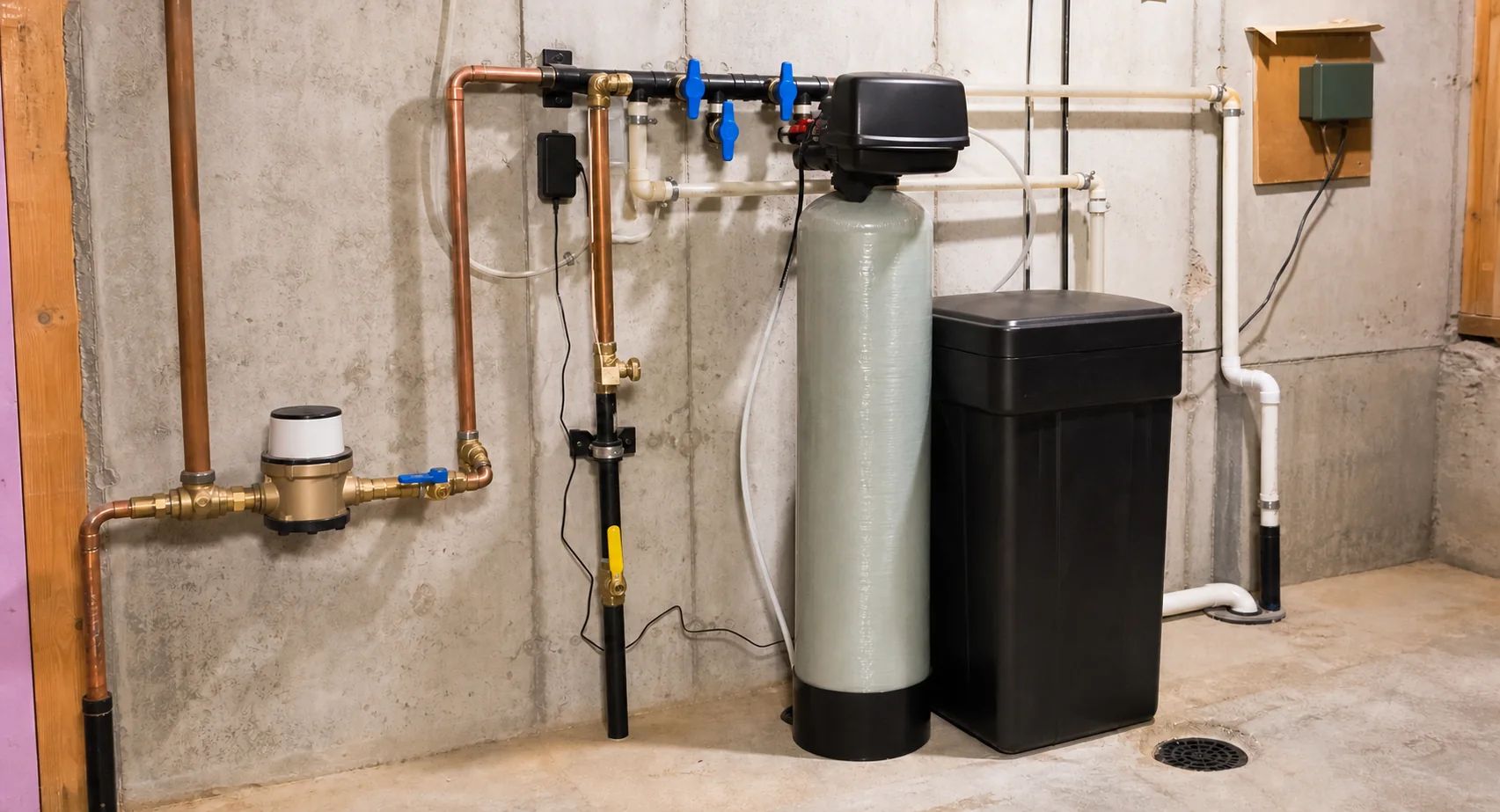
Installation provides whole-house treatment when hard water causes persistent scale, soap residue, mineral spotting, or appliance buildup. Seattle Plumbers installs water conditioning systems according to household demand, water hardness, flow rate, plumbing layout, and available installation space.
We inspect the incoming water supply, measure hardness, review household water use, and determine the grain capacity required for the property. Correct sizing matters because an undersized system may regenerate too often, while an oversized system may operate inefficiently if programmed incorrectly.
A properly installed system connects to the main water supply, provides suitable drainage, includes accessible bypass controls, and supplies conditioned water to the plumbing system.
Replacement
Replacement removes an aging, unreliable, undersized, or repeatedly failing unit and installs a new system suited to the property's water conditions. Replacement may be more practical when major components fail repeatedly or when the current equipment no longer provides consistent soft water.
Common replacement reasons include:
- Aging control valves
- Deteriorated resin
- Cracked or leaking tanks
- Repeated service calls
- Failed internal components
- Incorrect system sizing
- Excessive salt use
- Unreliable regeneration
- Household water demand changes
- Water quality changes
- Major plumbing renovations
Seattle Plumbers can inspect your existing equipment and explain whether repair, resin replacement, component replacement, or complete system replacement better fits the condition of the unit.
Whole-House Systems
Whole-house systems treat water at the main supply before it reaches most household fixtures and appliances. This arrangement helps reduce hardness minerals throughout the plumbing system instead of treating only one faucet or appliance.
Whole-house soft water can reduce mineral scale on:
- Faucets
- Showerheads
- Plumbing fixtures
- Water heaters
- Dishwashers
- Washing machines
- Supply piping
- Glassware and dishes
Reducing scale can also limit mineral accumulation inside water-using equipment. The system removes hardness minerals before they travel through much of the home's plumbing.
Residential Service
Residential service helps Seattle homeowners maintain reliable conditioned water for bathing, cleaning, laundry, cooking, and household plumbing. We service single-tank systems, metered systems, demand-initiated regeneration units, and other common residential configurations.
Household size and water consumption affect system performance. More occupants can increase water demand, and increased demand may require changes to programming, regeneration frequency, or system capacity.
We test actual conditions before adjusting the equipment.
Commercial Service
Commercial service addresses higher water demand, larger treatment capacity, and frequent equipment use in commercial plumbing systems. Businesses may rely on conditioned water for plumbing fixtures, water heaters, cleaning equipment, kitchens, laundry systems, and other water-using equipment.
Seattle Plumbers can inspect commercial systems, diagnose regeneration problems, repair control components, evaluate resin condition, and check whether the system capacity matches current water demand.
A properly sized commercial unit supplies enough treatment capacity for the required flow and hardness load.
Hardness Testing and System Diagnosis
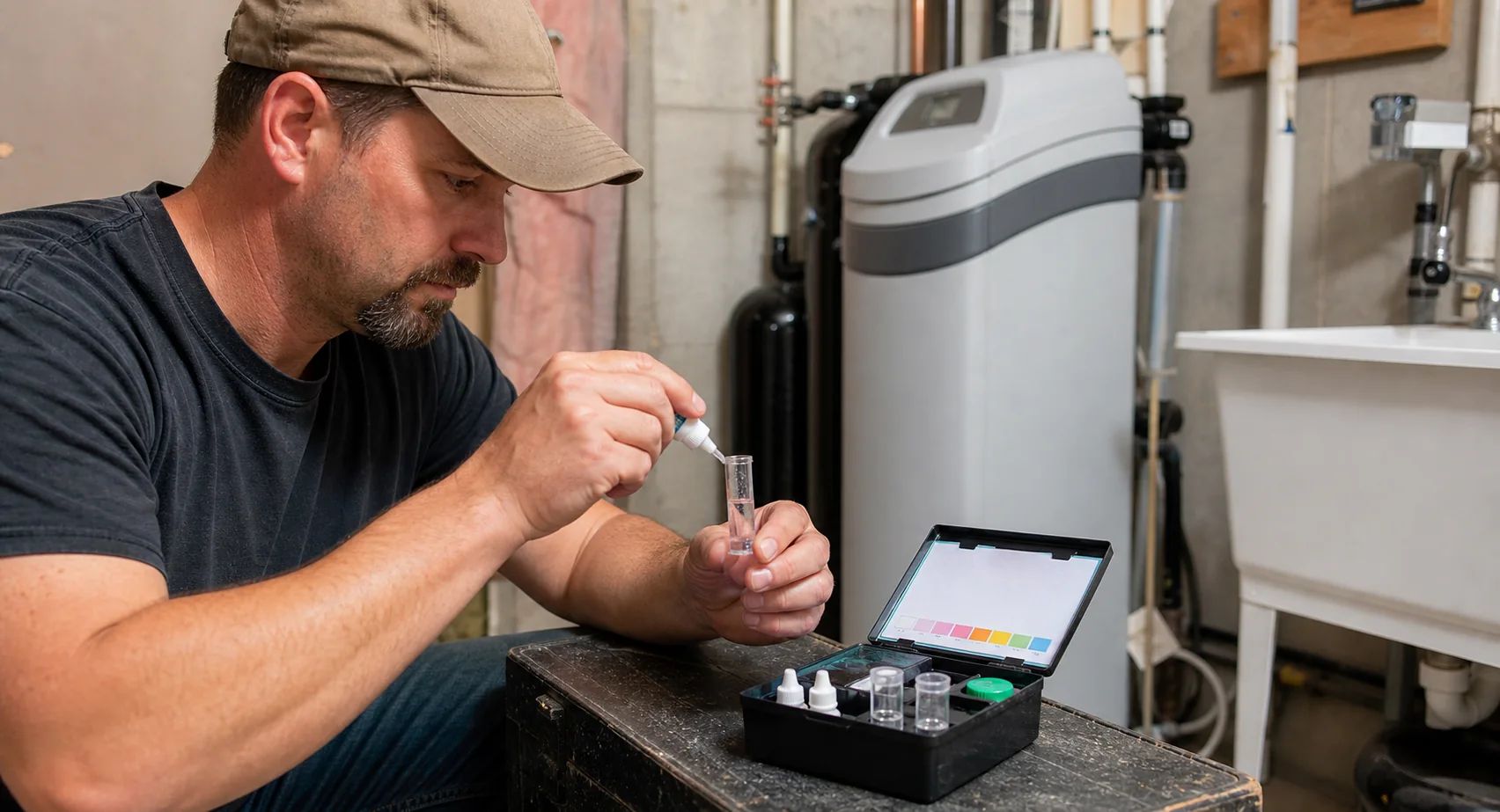
Hardness testing and system diagnosis determine whether the equipment is actually removing calcium and magnesium from the water supply. Testing helps separate a true system failure from plumbing bypass problems, incorrect settings, exhausted resin, or changes in incoming water hardness.
Our diagnostic process may include:
- Testing incoming water hardness
- Testing treated water hardness
- Inspecting salt and brine levels
- Checking the control valve
- Testing the regeneration cycle
- Inspecting the injector and brine line
- Checking the drain line
- Reviewing system programming
- Inspecting the bypass valve
- Checking flow rate and water pressure
Water testing confirms hardness levels. Component testing identifies the cause. Correct repair restores softening performance.
Regeneration Service
Regeneration service corrects problems that prevent the resin bed from recharging properly. During regeneration, the system uses brine to remove accumulated hardness minerals from the resin so the beads can continue performing ion exchange.
A unit that does not regenerate may produce hard water even when the tank still contains salt.
Regeneration problems can result from:
- Incorrect programming
- A clogged injector
- A blocked brine line
- A stuck control valve
- A failed motor
- A salt bridge
- Low salt levels
- Drain line restrictions
- Flow meter problems
We inspect the full regeneration sequence and repair the component that interrupts the cycle.
Brine Tank Cleaning and Salt Bridge Removal
Brine tank cleaning and salt bridge removal help the system create the salt solution required for regeneration. A salt bridge forms when a hardened layer develops above the water inside the brine tank, making the tank appear full even though salt is not dissolving properly.
We can break up salt bridging, remove accumulated residue, inspect the brine well and float assembly, clean the tank, and confirm that the system draws brine during regeneration.
A clear brine system supports proper resin regeneration and consistent soft water.
Resin Tank and Resin Replacement
Resin tank and resin replacement restore ion exchange capacity when resin beads become damaged, fouled, depleted, or ineffective. The resin bed performs the core softening process by removing calcium and magnesium from the water.
Aging resin can cause hardness to pass through the system even when the control valve and brine tank operate normally.
We inspect system age, water quality, resin condition, and treatment performance before recommending resin replacement.
Control Valve Repair
Control valve repair restores the component that directs service flow, backwash, brine draw, rinse, and regeneration. Control valve problems can cause continuous draining, failed regeneration, poor brine draw, leaks, or inconsistent soft water.
We inspect the valve body, motor, piston, seals, spacers, flow meter, programming controls, and related connections. Failed parts can often be repaired or replaced without replacing the entire system.
Bypass Valve and Drain Line Repair
Bypass valve and drain line repair corrects water flow problems that can interfere with system operation. The bypass valve allows the unit to be isolated from the plumbing supply, while the drain line carries discharge water during regeneration.
A leaking or partially open bypass can allow untreated hard water into the plumbing system. A restricted drain line can prevent the unit from completing its regeneration cycle.
We inspect both components and restore proper water routing.
Programming and Calibration
Programming and calibration match the system settings to water hardness, household demand, and unit capacity. Incorrect settings can cause excessive salt use, frequent regeneration, poor softening, or long periods between regeneration cycles.
We can review and correct:
- Water hardness settings
- Regeneration timing
- Metered capacity
- Salt dose
- Time settings
- Household demand settings
- Regeneration frequency
Correct programming helps the system regenerate when needed rather than operating on inaccurate assumptions.
System Sizing and Grain Capacity
System sizing and grain capacity determine how much hardness the unit can remove before regeneration becomes necessary. Water hardness, daily consumption, household size, peak flow, and treatment goals all affect the required capacity.
A properly sized system handles the home's hardness load while maintaining appropriate water flow. We calculate system requirements instead of choosing equipment based only on tank dimensions or household size.
Water hardness determines treatment demand. Daily water use determines total load. Grain capacity determines how much hardness the resin can remove between regeneration cycles.
Salt-Based Ion Exchange Systems
Salt-based ion exchange systems remove calcium and magnesium using charged resin beads and regenerate those beads with a brine solution. These systems remain a common whole-house solution for hard water because they directly remove hardness minerals.
Seattle Plumbers services resin tanks, brine tanks, valves, meters, injectors, drain systems, and programming controls associated with ion exchange systems.
We can also inspect related water treatment equipment such as sediment filters, carbon filters, whole-house filters, and reverse osmosis systems when their operation affects the overall water treatment setup.
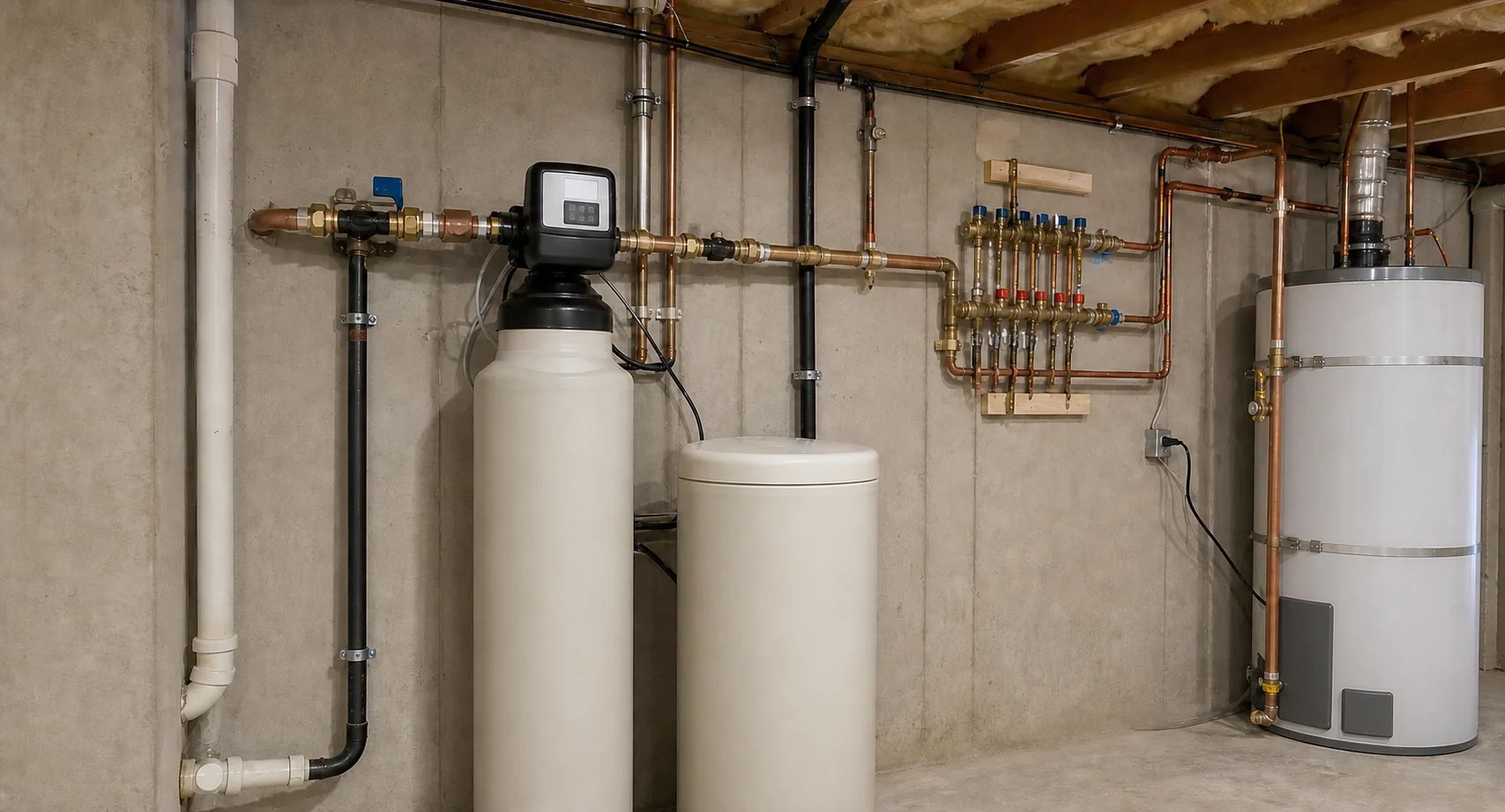
Repair vs. Replacement
Repair vs. replacement depends on the system's age, condition, repair history, capacity, and cost of failed components. A clogged injector, worn seal, bad motor, or programming error may require a focused repair. A leaking tank, extensive internal deterioration, repeated failures, or incorrectly sized system may support replacement.
We diagnose the current system first and recommend work based on the condition we find.
Repair keeps serviceable equipment operating. Replacement removes equipment that can no longer provide dependable soft water.
How Softened Water Protects Plumbing and Appliances
Softened water protects plumbing and appliances by reducing the calcium and magnesium that form scale. Hardness minerals can collect on fixtures and inside water-using equipment, especially where water is heated or evaporates.
Reducing hardness can help limit mineral accumulation in:
- Water heaters
- Faucets
- Showerheads
- Dishwashers
- Washing machines
- Plumbing fixtures
- Supply lines
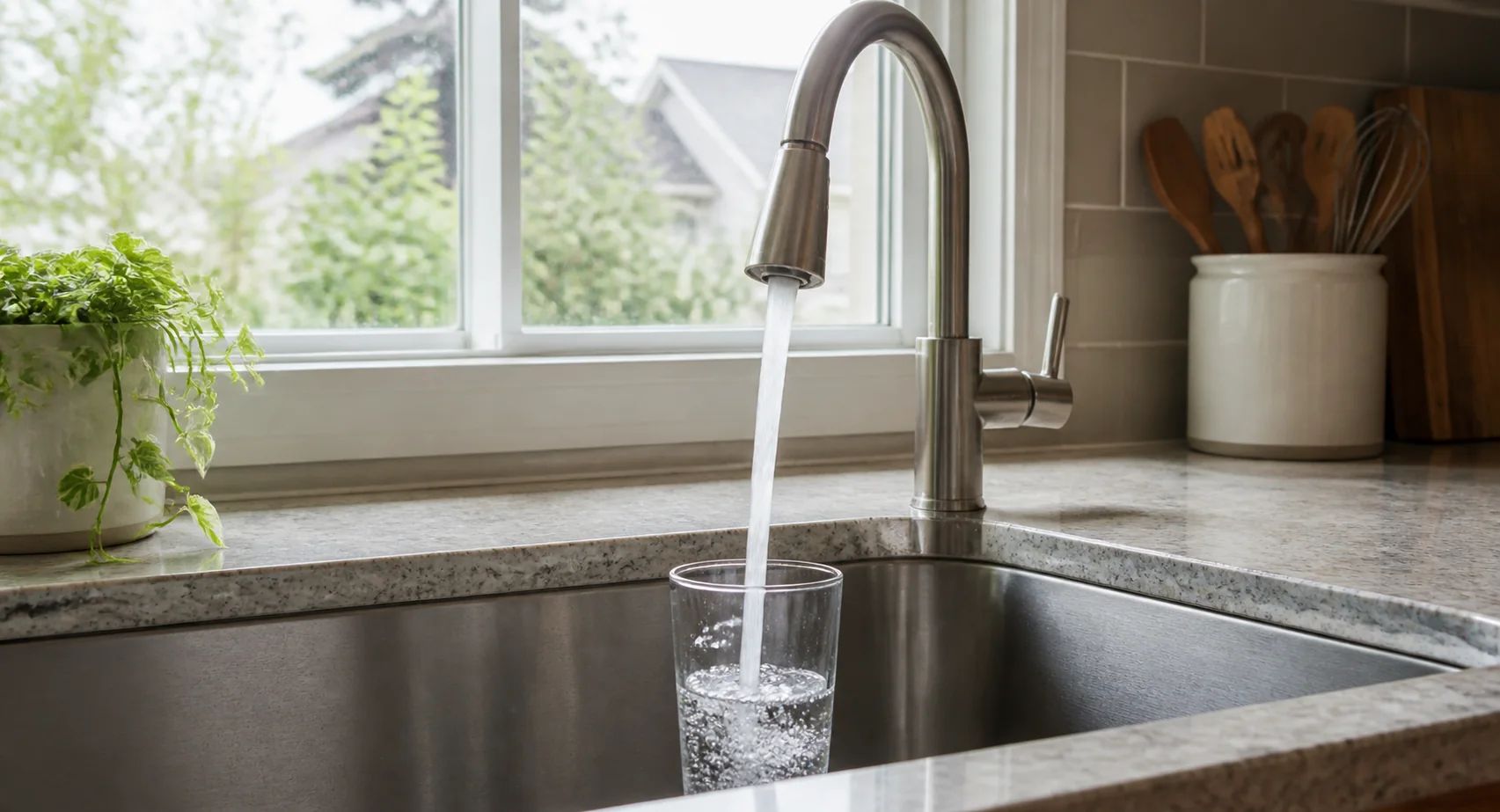
Soft water also tends to produce better soap lather and fewer mineral spots on glassware and fixtures.
Our Service Process
Our service process begins with testing and ends with verified system performance.
- Test water hardness
- Inspect the unit and plumbing connections
- Check the salt and brine level
- Inspect the resin tank and resin condition
- Test the control valve
- Review programming
- Inspect the injector, brine line, and drain line
- Diagnose leaks or pressure problems
- Repair, clean, adjust, or replace failed components
- Run a regeneration cycle
- Test treated water
- Confirm proper operation
This process connects the symptom to the cause before parts are replaced.
Why Choose Seattle Plumbers?
Seattle Plumbers provides practical diagnosis, repair, maintenance, installation, and replacement for residential and commercial water treatment systems.
Our service approach includes water hardness testing, component inspection, clear repair recommendations, correct system sizing, careful plumbing connections, regeneration testing, and final water testing.
We work on the complete softening system, including the resin tank, brine tank, control valve, injector, bypass valve, drain line, flow meter, and plumbing connections.
Service in Seattle
Service in Seattle helps property owners address hard water symptoms, equipment failures, scale buildup, salt problems, and aging water treatment equipment. Seattle Plumbers provides local repair, maintenance, installation, replacement, resin service, brine tank service, and system diagnosis.
Whether the system has stopped regenerating, uses too much salt, produces hard water, or needs replacement, our plumbers can inspect the equipment and recommend the appropriate service.
Schedule Service in Seattle
Schedule service in Seattle when hard water returns, mineral spots increase, the system stops using salt, the brine tank fills with water, or regeneration no longer works correctly.
Seattle Plumbers can inspect the equipment, test water hardness, repair failed components, clean the brine system, replace resin, correct programming, install new equipment, or replace an aging unit.
Call Seattle Plumbers to request water softener repair, maintenance, installation, replacement, or diagnostic service for your Seattle property.
FAQs
How do I know if my system needs service?
Your system may need service if hard water returns, mineral spots increase, soap stops lathering well, the unit uses unusual amounts of salt, the brine tank contains excess water, or regeneration stops.
Why does my water still feel hard after regeneration?
Hard water after regeneration can result from exhausted resin, incorrect programming, a salt bridge, clogged injector, bypass valve problem, or failed control valve. Water hardness testing and system inspection can identify the cause.
Why is the system using too much salt?
Excessive salt use can result from incorrect hardness settings, frequent regeneration, high water demand, valve problems, or improper system sizing.
Why is the system not using salt?
The system may stop using salt because of salt bridging, a blocked injector, brine line problems, control valve failure, or an incomplete regeneration cycle.
Why is there standing water in the brine tank?
Standing water in the brine tank can result from a clogged injector, blocked drain line, stuck float, valve problem, or interrupted regeneration cycle.
How often should the system be serviced?
Service frequency depends on water hardness, system design, household use, equipment age, and water quality. Periodic inspection helps identify salt, valve, resin, and regeneration problems before they cause complete system failure.
Can resin be replaced?
Resin can be replaced when the resin bed loses ion exchange capacity but the tank and control system remain in serviceable condition.
Can the system cause low water pressure?
A softening system can contribute to low water pressure when resin becomes restricted, internal components fail, the valve becomes clogged, or the unit is undersized for required flow.
What does regeneration do?
Regeneration flushes accumulated hardness minerals from the resin bed and recharges the resin with sodium or potassium ions so it can continue removing calcium and magnesium.
Should I repair or replace an older unit?
Repair or replacement depends on system age, tank condition, component failures, resin condition, repair history, and whether the unit still matches current water demand.
Can you install a whole-house system?
Seattle Plumbers can install whole-house water softening systems sized according to hardness level, water demand, flow requirements, and plumbing configuration.
Do you service commercial systems?
Seattle Plumbers can service commercial water softening systems, including control valves, resin tanks, brine systems, regeneration controls, drain lines, and related plumbing components.