Sewer Line Repair in Seattle
Sewer Line Repair restores safe, reliable wastewater flow when underground sewer piping becomes cracked, blocked, collapsed, corroded, offset, or damaged by tree roots. Seattle Plumbers inspects sewer lines, locates defects, clears obstructions, repairs damaged pipe sections, and replaces failed piping when repair is no longer practical.
Our sewer line repair services address residential and commercial sewer problems throughout Seattle. We repair main sewer lines, private sewer laterals, underground sewer pipes, damaged cleanouts, leaking joints, bellied pipe sections, collapsed sewer lines, and root-damaged sewer piping using repair methods suited to the pipe condition and location.
Sewer Line Repair for Broken, Cracked, or Blocked Pipes
Broken, cracked, or blocked sewer pipes can restrict wastewater flow, cause repeated backups, and allow sewage to escape into surrounding soil. Cracks, corrosion, root intrusion, offset joints, grease buildup, and pipe collapse can all interfere with normal drainage.
Seattle Plumbers starts with inspection and diagnosis. We identify the damaged section, determine whether the problem is structural or blockage-related, then select a repair method that matches the pipe condition, location, and access requirements.
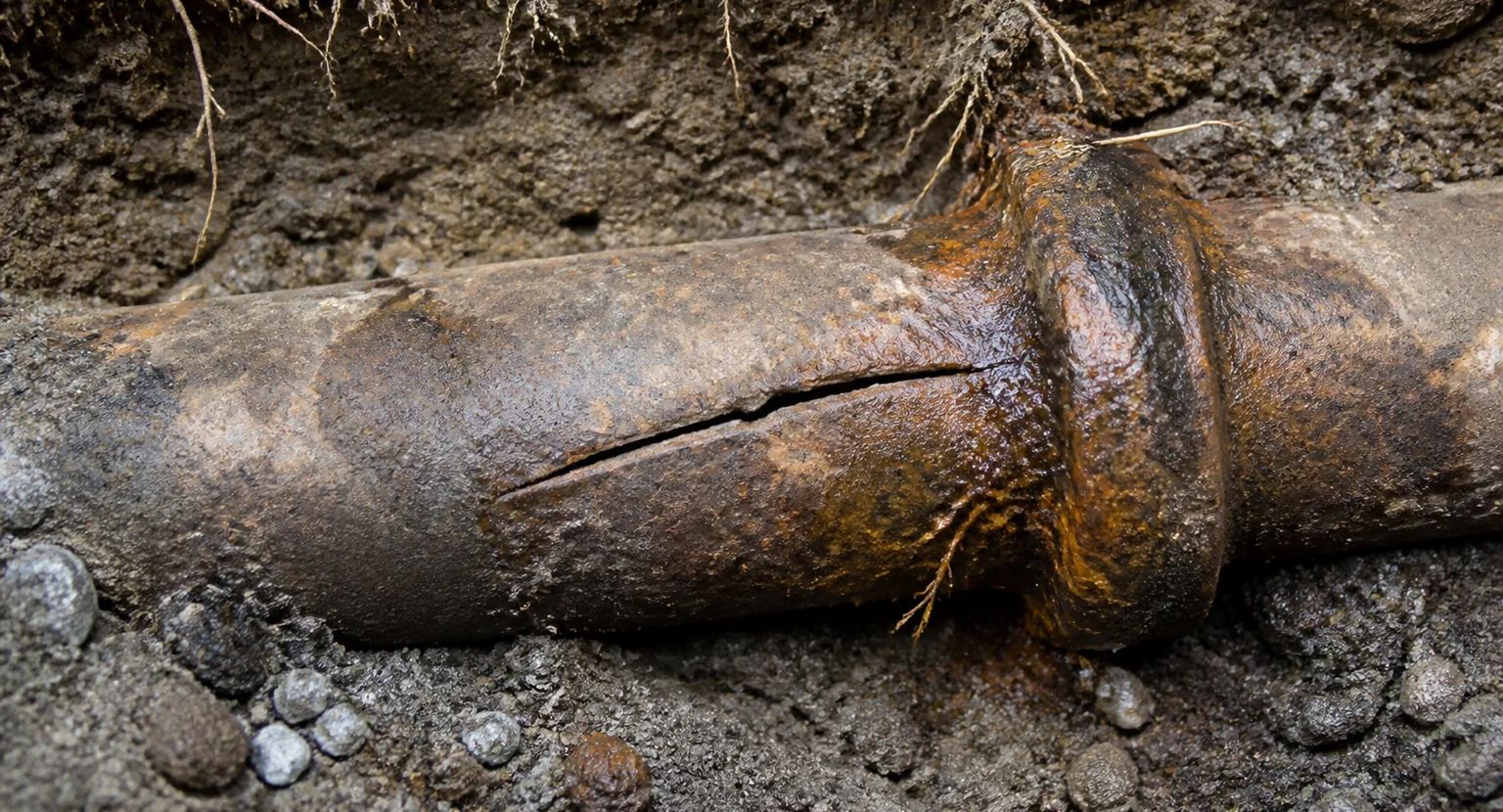
Signs You May Need Sewer Line Repair
Sewer problems often affect several fixtures at the same time. A single clogged sink may point to a local drain issue, while repeated problems across toilets, tubs, showers, and floor drains can indicate a main sewer restriction or damaged sewer lateral. Common warning signs include:
- Recurring sewer backups
- Multiple slow drains
- Gurgling toilets or drains
- Sewage odors indoors or outdoors
- Water backing into tubs or showers
- Sewage around a cleanout
- Wet or unusually soft areas in the yard
- Standing wastewater near the sewer route
- Repeated drain clogs
- Sinkholes or soil settlement
- Camera inspection showing cracks, roots, or collapse
Recurring backups can indicate structural sewer damage. Multiple slow drains can indicate a main sewer restriction. Sewer leaks can saturate surrounding soil and create additional property damage.
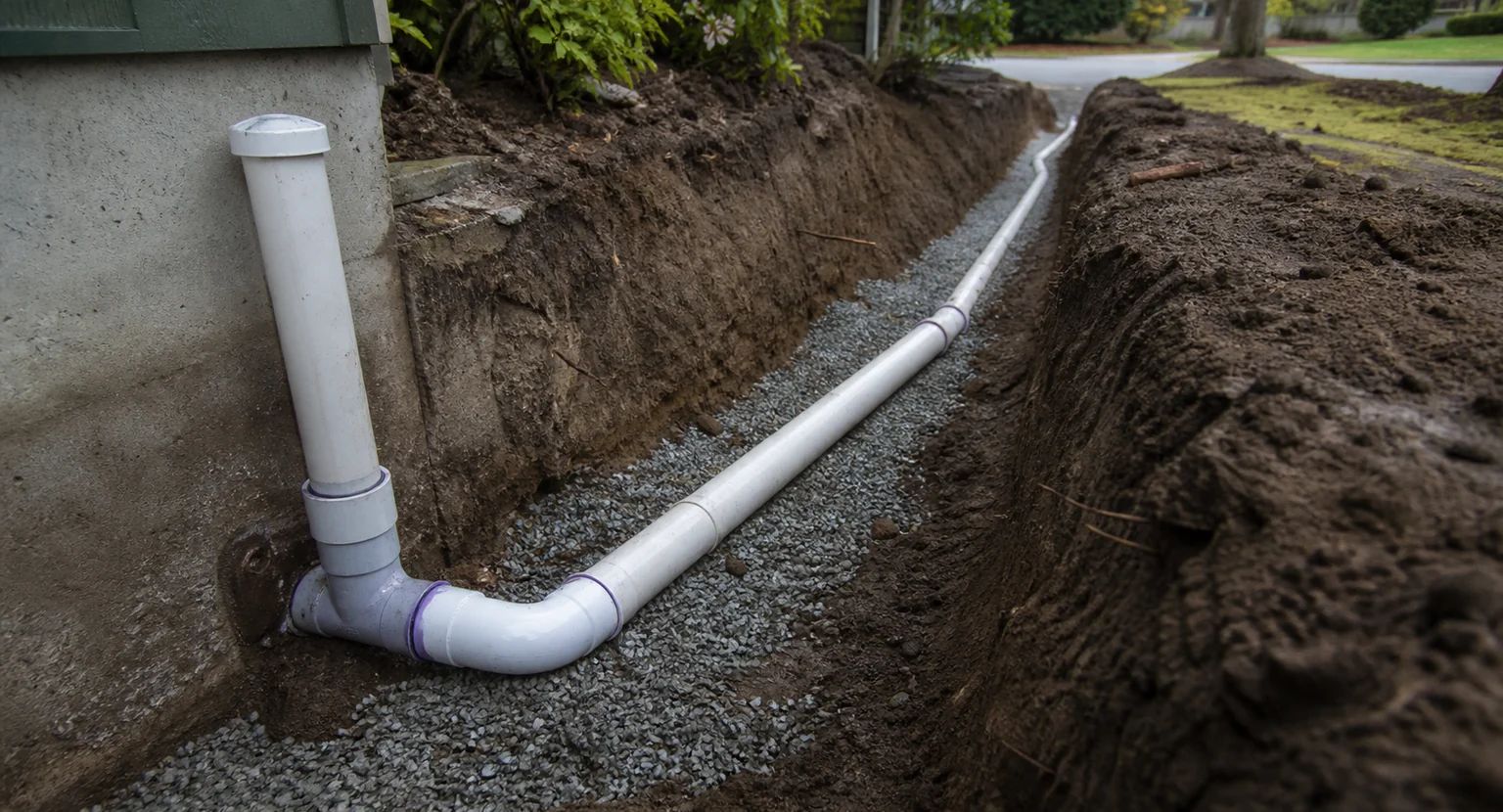
Common Sewer Line Problems We Repair
Common sewer line problems we repair include structural failures, pipe movement, root intrusion, corrosion, and severe blockages. Each condition affects wastewater flow differently and requires accurate diagnosis before repair begins.
Cracked Sewer Pipes
Cracked sewer pipes allow wastewater to escape and can permit soil or roots to enter the line. We locate the crack, assess pipe stability, and repair or replace the affected section.
Collapsed Sewer Lines
Collapsed sewer lines stop or severely restrict normal wastewater flow. Partial or full pipe collapse often requires sectional replacement, pipe bursting, or excavation depending on access and pipe condition.
Tree Root Intrusion
Tree root intrusion enters sewer pipes through cracks or damaged joints. Roots restrict flow, trap debris, and can widen existing pipe defects. We remove root obstructions and repair the damaged pipe when structural correction is required.
Offset or Separated Pipe Joints
Offset or separated pipe joints disrupt the internal pipe path and can collect waste, soil, or roots. We repair or replace misaligned sections and install secure, watertight connections.
Bellied Sewer Lines
Bellied sewer lines create low sections where wastewater and debris collect. Severe pipe bellies can cause recurring blockages and may require excavation and slope correction.
Corroded Sewer Pipes
Corroded sewer pipes lose wall thickness and structural strength over time. We inspect affected sections and determine whether spot repair, pipe lining, or replacement provides the appropriate correction.
Residential Sewer Line Repair
Residential sewer line repair corrects problems between the home plumbing system and the sewer connection. Older homes may contain clay, cast iron, concrete, Orangeburg, ABS, PVC, or mixed pipe materials installed at different times.
Seattle Plumbers repairs sewer piping affected by cracks, root intrusion, corrosion, separated joints, improper slope, and recurring blockage. We inspect the system first so homeowners can understand the defect, location, and repair scope before work begins. Homes with a septic system can also have septic tank issues that look like sewer line failures, so we confirm the source of the problem during inspection.
Commercial Sewer Line Repair
Commercial sewer line repair restores wastewater drainage for businesses, multifamily properties, offices, restaurants, retail spaces, and other commercial buildings. Higher fixture use and heavier wastewater loads can place additional demand on sewer piping.
We inspect commercial sewer lines, locate damaged pipe sections, clear severe obstructions, repair structural defects, and verify wastewater flow before completing the service.
Main Sewer Line Repair
Main sewer line repair corrects damage in the primary pipe carrying wastewater away from the building. Main sewer problems can affect toilets, sinks, showers, tubs, floor drains, and other fixtures at the same time.
We use sewer camera inspection and pipe locating to identify cracks, roots, offsets, bellies, buildup, or collapse. Once the defect is confirmed, we recommend the repair method that fits the pipe condition and location.
Sewer Lateral Repair
Sewer lateral repair addresses damage in the private sewer line that connects a property to the municipal sewer system. Lateral sewer lines can fail because of aging materials, soil movement, tree roots, corrosion, improper installation, or physical damage.
We repair leaking, cracked, offset, collapsed, and deteriorated sewer laterals and confirm the repaired section with flow testing or final camera inspection where appropriate.
Underground Sewer Pipe Repair
Underground sewer pipe repair restores buried piping without guessing where the defect is located. Sewer locating and camera inspection help identify the damaged section before excavation or trenchless work begins.
Depending on the condition, underground sewer repair may include:
- Spot repair
- Sectional pipe replacement
- Trenchless pipe lining
- Pipe bursting
- Joint repair
- Cleanout replacement
- Open-trench sewer repair
- Full sewer line replacement
Accurate locating reduces unnecessary excavation and helps keep the repair focused on the actual failure.
Sewer Camera Inspection and Diagnosis
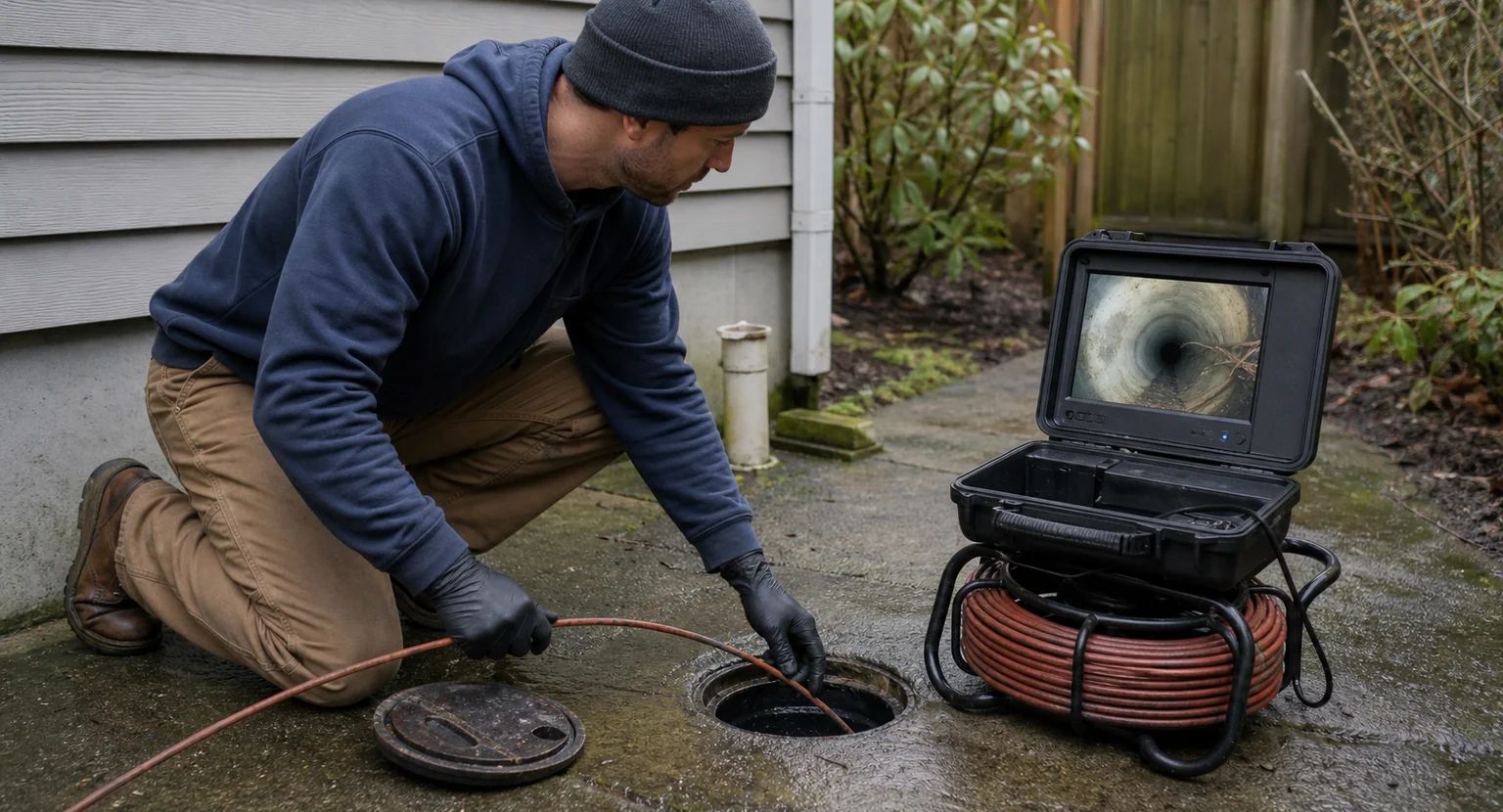
Sewer camera inspection and diagnosis identify hidden pipe conditions before repair. A video inspection can reveal cracks, fractures, root intrusion, standing wastewater, offset joints, corrosion, pipe bellies, grease buildup, debris, and partial collapse.
Camera inspection provides direct evidence of the sewer problem. Pipe locating identifies where the defect sits underground. Diagnosis allows the repair method to match the actual pipe condition.
Trenchless Sewer Line Repair
Trenchless sewer line repair can restore or replace damaged sewer piping with less surface excavation when site and pipe conditions allow. Trenchless methods are commonly considered when the pipe route passes beneath landscaping, driveways, walkways, or other finished areas.
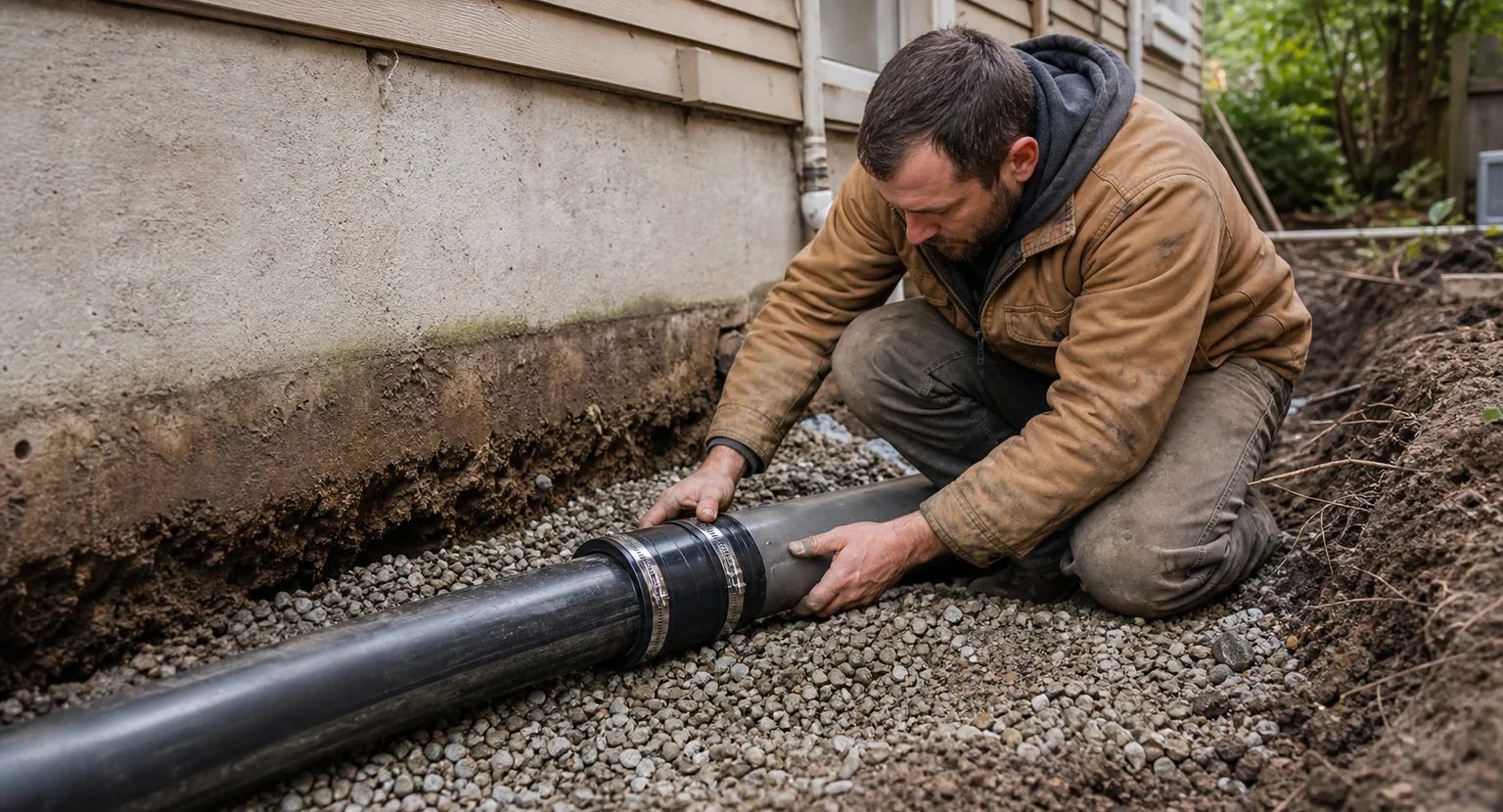
Sewer Pipe Lining
Sewer pipe lining rehabilitates structurally suitable sewer pipes by installing a new liner inside the existing pipe. Cured-in-place pipe lining can seal cracks and damaged joints while creating a continuous internal pipe surface. Pipe lining is not appropriate for every condition. Severely collapsed, heavily deformed, or incorrectly sloped piping may require another repair method.
Pipe Bursting
Pipe bursting replaces a failed sewer line by breaking the old pipe while pulling new pipe through the existing route. This method can be suitable for severely deteriorated sewer lines where full replacement is required and trenchless access is practical.
Excavation Sewer Repair
Excavation sewer repair provides direct access to damaged underground piping when open-trench work is the most appropriate solution. Excavation may be required for collapsed pipes, severe bellies, incorrect slope, inaccessible connections, or damaged sections that cannot be repaired internally.
Our process can include locating the line, exposing the damaged section, removing failed pipe, preparing pipe bedding, installing new piping, correcting slope, securing connections, testing flow, backfilling, and compacting the work area.
Spot Sewer Pipe Repair
Spot sewer pipe repair corrects localized damage without replacing an entire sewer line. A sectional repair may be appropriate when one cracked joint, short collapsed area, or isolated pipe defect causes the problem while surrounding piping remains serviceable.
We inspect both sides of the damaged section before recommending a spot repair. Localized damage can often be corrected efficiently when the remaining line is structurally sound.
Tree Root Damage and Sewer Repair
Tree root damage and sewer repair often involve both obstruction removal and structural correction. Roots commonly enter through cracks, open joints, or deteriorated pipe walls rather than penetrating intact sewer pipe without an entry point.
Root removal restores pipe opening. Pipe repair closes the defect. Correcting both conditions helps reduce repeated root intrusion and recurring sewer backups.
Sewer Line Repair vs. Sewer Line Replacement
Sewer line repair vs. sewer line replacement depends on the severity, length, and location of the damage. Localized cracks, joint defects, or short damaged sections may allow repair, while widespread deterioration, repeated failures, severe collapse, or extensive pipe deformation may require replacement.
Repair corrects a defined defect. Replacement removes or bypasses piping that can no longer provide reliable wastewater flow. Seattle Plumbers inspects the sewer line before recommending the appropriate scope.
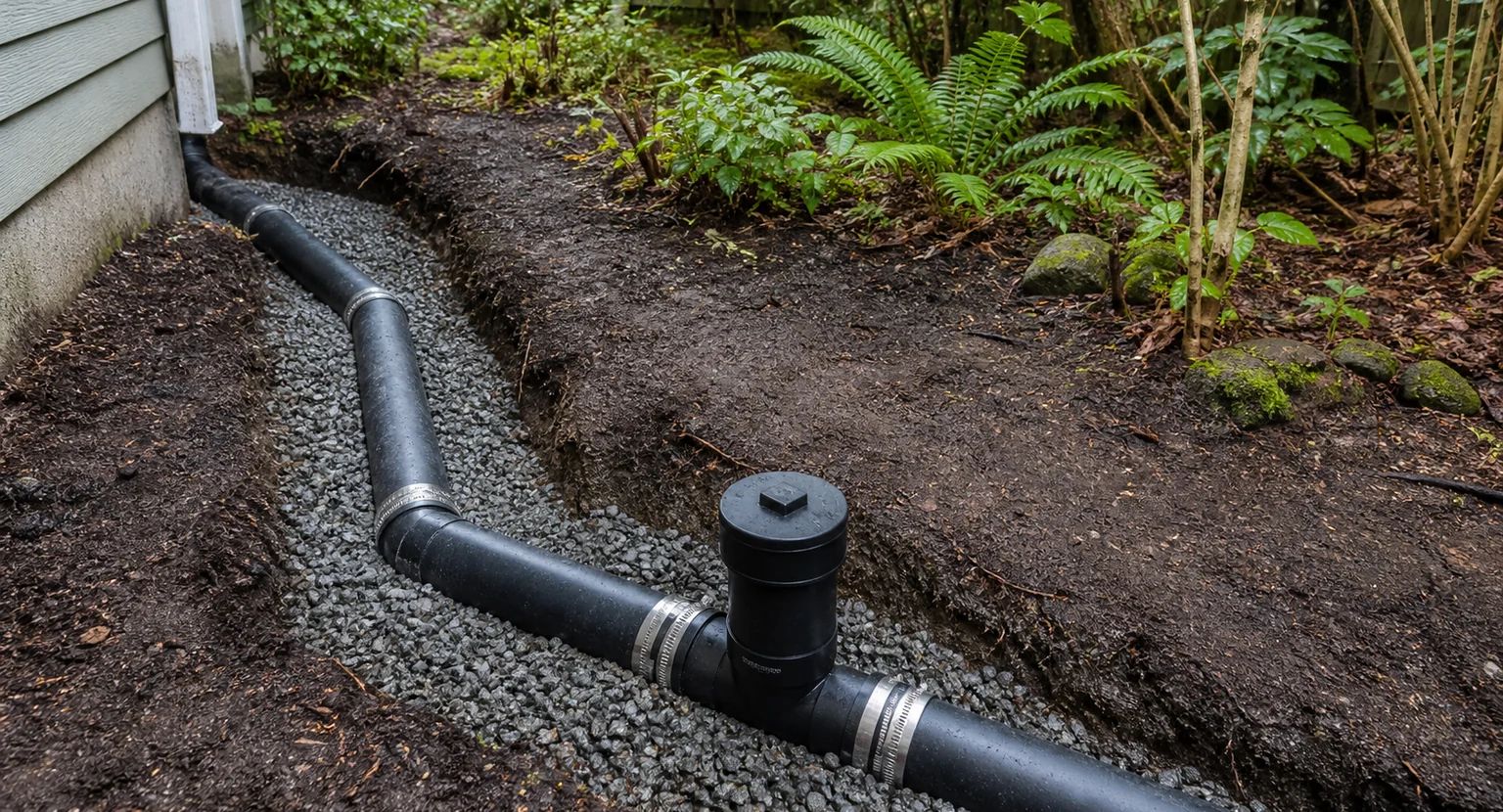
Our Sewer Line Repair Process
Our sewer line repair process identifies the cause, repairs the damaged section, and verifies drainage before completion.
- Inspect the drainage symptoms
- Access the sewer cleanout
- Perform a sewer camera inspection when appropriate
- Locate the damaged pipe section
- Identify cracks, roots, offsets, bellies, corrosion, or collapse
- Clear heavy blockage when required
- Select the appropriate repair method
- Repair, line, burst, or replace damaged piping
- Correct pipe slope or connections where needed
- Test wastewater flow
- Reinspect repaired piping when appropriate
- Backfill and restore excavated areas
Inspection identifies damage. Repair corrects the defect. Testing confirms wastewater flow.
Sewer Pipe Materials We Repair
Sewer pipe materials we repair include common materials found in older and newer Seattle properties. Pipe age, material, soil conditions, and previous repairs all influence the recommended repair method.
Common sewer pipe materials include:
- PVC
- ABS
- Cast iron
- Clay pipe
- Vitrified clay
- Concrete pipe
- Orangeburg
- HDPE
Older pipe materials may develop cracks, corrosion, deformation, separated joints, or root intrusion over time.
Emergency Sewer Line Repair
Emergency sewer line repair addresses severe failures that cause active backups, sewage overflow, collapsed piping, or wastewater surfacing outside. Raw sewage can expose occupants and property to bacteria, contamination, moisture damage, and sewer gas.
If sewage is backing into the property, limit contact with the affected area and stop using plumbing fixtures when possible. Seattle Plumbers can inspect the sewer system, locate the failure, and determine the repair required to restore safe drainage. Where backups keep returning, a backflow preventer can help keep wastewater from re-entering the building.
Sewer Line Repair Cost Factors
Sewer line repair cost factors depend on the pipe condition, defect location, repair method, access, depth, material, and amount of piping involved. Trenchless work, excavation, pipe depth, surface restoration, and permit requirements can also affect project scope.
A camera inspection and pipe assessment provide the information needed to define the repair. We identify the damaged section before recommending unnecessary work.
Permits and Code Compliance
Permits and code compliance apply to certain sewer line repairs and replacements depending on the location and scope of work. Sewer connections, underground piping, excavation, slope, pipe materials, and inspection requirements must follow applicable standards.
Seattle Plumbers plans sewer work around proper drainage, watertight connections, approved materials, safe excavation practices, and required inspections. Related requirements include septic system regulations, grease trap requirements, and sewer discharge standards.
Why Choose Seattle Plumbers for Sewer Line Repair?
Why choose Seattle Plumbers for sewer line repair comes down to accurate diagnosis, practical repair methods, and clear communication. We inspect the sewer line, identify the failure, explain the repair options, and complete the work based on the actual pipe condition.
Our sewer services include:
- Sewer line repair
- Sewer pipe repair
- Main sewer repair
- Sewer lateral repair
- Underground sewer repair
- Trenchless sewer repair
- Sewer pipe lining
- Pipe bursting
- Spot sewer repair
- Root-damaged sewer repair
- Collapsed sewer line repair
- Sewer camera inspection
- Sewer cleanout repair
- Sewer line replacement
We repair the defect, restore wastewater flow, and verify the completed work.
Schedule Sewer Line Repair in Seattle
Schedule sewer line repair in Seattle when repeated backups, slow drains, sewer odors, root intrusion, cracked piping, or underground pipe damage affects your property. Seattle Plumbers provides residential and commercial sewer repair for main sewer lines, sewer laterals, buried piping, damaged joints, collapsed pipe, and recurring sewer blockages.
Call Seattle Plumbers to schedule a sewer inspection or request a sewer line repair estimate. We will locate the problem, explain the repair method, and restore dependable wastewater drainage.
Sewer Line Repair FAQs
How do I know if my sewer line is broken?
Recurring backups, multiple slow drains, sewer odors, wet soil, sewage around a cleanout, or visible damage during a camera inspection can indicate a broken sewer line. A sewer camera inspection can confirm the location and type of damage.
Can tree roots damage a sewer line?
Yes. Tree roots can enter through cracks, separated joints, and deteriorated pipe sections. As roots continue to grow, they can restrict wastewater flow and worsen existing structural damage.
Can a cracked sewer line be repaired without digging?
Some cracked sewer lines can be repaired without full excavation. Pipe lining may be suitable when the existing pipe still has enough structural integrity, while collapsed or heavily deformed sections may require excavation or pipe replacement.
What is trenchless sewer repair?
Trenchless sewer repair uses methods that reduce the amount of open digging needed to repair or replace underground sewer piping. Common methods include sewer pipe lining and pipe bursting.
Can a bellied sewer line be repaired?
A bellied sewer line can be repaired, but the method depends on the depth and severity of the sag. Significant bellies often require excavation because the pipe slope must be physically corrected.
When should a sewer line be replaced instead of repaired?
Replacement may be the better option when the sewer line has severe collapse, widespread corrosion, extensive deformation, repeated failures, or several damaged sections. Localized damage may still allow a spot repair or sectional repair.
Do I need a sewer camera inspection before repair?
A sewer camera inspection is often the most direct way to identify cracks, root intrusion, offsets, blockages, bellies, and collapsed sections before choosing a repair method. It helps define the repair scope and reduces guesswork.