Gas Line Replacement
Gas line replacement is the process of removing damaged, corroded, or outdated gas pipes and installing new, code-compliant piping to safely transport natural gas or propane throughout a home or building.
Seattle Plumbers provides professional gas line replacement services for residential and commercial properties throughout the Seattle area. Our licensed plumbers replace old black iron, galvanized steel, and copper gas lines with durable, code-approved materials such as black steel pipe or corrugated stainless steel tubing (CSST). We ensure every gas line installation meets local Seattle plumbing codes and safety standards, including proper pressure testing and leak detection before the job is complete.
Gas Line Replacement for Damaged, Aging, or Unsafe Piping
Gas line replacement for damaged, aging, or unsafe piping removes compromised sections of the gas system and installs secure, properly sized piping. Seattle Plumbers inspects existing gas lines, identifies corrosion, leaks, physical damage, improper routing, and outdated materials, then determines whether repair or replacement provides the safer long-term solution.
A damaged gas line can affect furnaces, water heaters, gas ranges, dryers, fireplaces, boilers, and other gas appliances. Our licensed plumbers replace deteriorated piping, secure fittings, install shutoff valves where required, reconnect appliances, and test the completed system before restoring normal gas service.
When Does a Gas Line Need to Be Replaced?
When a gas line needs to be replaced depends on its condition, material, location, repair history, and ability to safely supply connected appliances. Localized damage may allow a targeted repair, while widespread corrosion, repeated leaks, undersized piping, or unsafe installation can make gas pipe replacement the more practical solution.
We inspect the entire affected section instead of replacing piping based only on one visible symptom. Inspection identifies the cause, replacement removes the defective pipe, and testing confirms the integrity of the new installation.
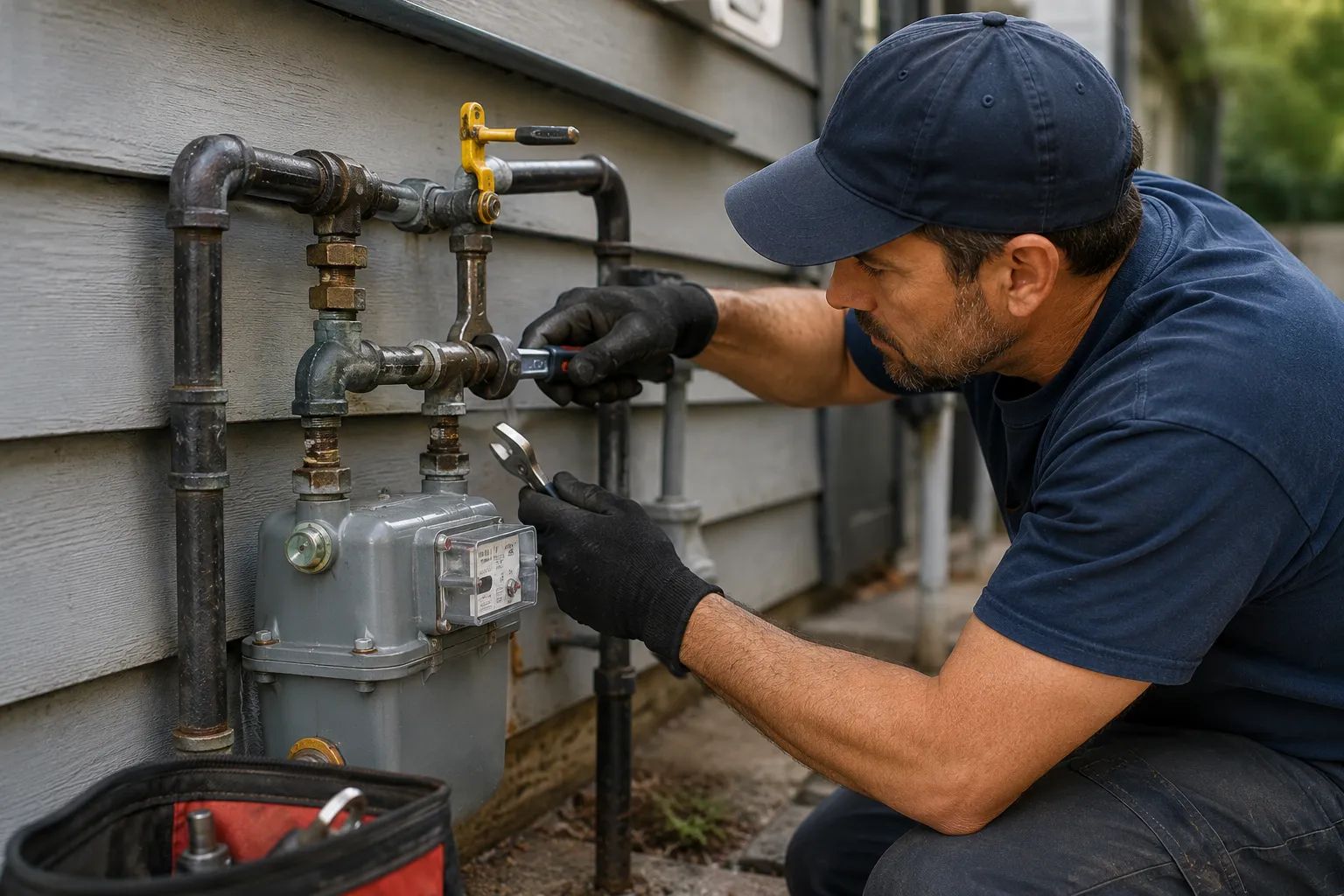
Severe Corrosion or Rust
Severe corrosion or rust weakens metal gas piping and can eventually compromise fittings, joints, or pipe walls. We inspect corroded sections and replace deteriorated pipe when continued repair would leave unreliable material in service.
Recurring Gas Leaks
Recurring gas leaks can indicate deterioration beyond one fitting or connection. Repeated gas leak repair may solve individual failures temporarily, while replacement removes damaged piping and provides new connections throughout the affected section.
Cracked or Physically Damaged Piping
Cracked or physically damaged piping requires immediate professional inspection. Impact, construction activity, soil movement, accidental excavation, or structural changes can damage gas lines and make replacement necessary.
Undersized Gas Lines
Undersized gas lines may not provide sufficient fuel when new appliances increase total gas demand. We calculate appliance load, evaluate line length and pressure requirements, and install properly sized piping when the existing line cannot safely support the required capacity.
Outdated or Non-Compliant Piping
Outdated or non-compliant piping can require replacement when materials, fittings, routing, or installation methods no longer meet applicable requirements. Our plumbers assess existing gas piping and install code-compliant replacement components based on the conditions of the property.
Signs Your Gas Piping May Need Replacement
Signs your gas piping may need replacement include visible corrosion, repeated leaks, damaged fittings, pressure problems, failed inspections, and a history of recurring repairs. A rotten-egg odor or hissing sound may also indicate escaping gas and requires immediate attention.
Other warning conditions include:
- Rusted or deteriorated pipe
- Loose or damaged fittings
- Cracked gas piping
- Exposed line damage
- Failed pressure tests
- Repeated leaking connections
- Improper gas pipe sizing
- Unsafe pipe routing
- Underground pipe deterioration
- Problems after appliance upgrades
If you suspect an active gas leak, leave the affected area and follow emergency guidance from the appropriate utility or emergency service before arranging plumbing work.
Residential Gas Line Replacement
Residential gas line replacement restores safe gas delivery to homes with deteriorated, damaged, or inadequate piping. We replace gas lines serving furnaces, water heaters, ranges, cooktops, fireplaces, dryers, boilers, outdoor appliances, and other approved gas equipment.
Older homes may contain multiple sections installed or modified at different times. We inspect the current system, identify unsafe sections, calculate demand where necessary, and replace piping based on the actual condition and requirements of the property.
Residential replacement may involve one appliance branch line, several damaged sections, or complete gas repiping when deterioration affects much of the system.
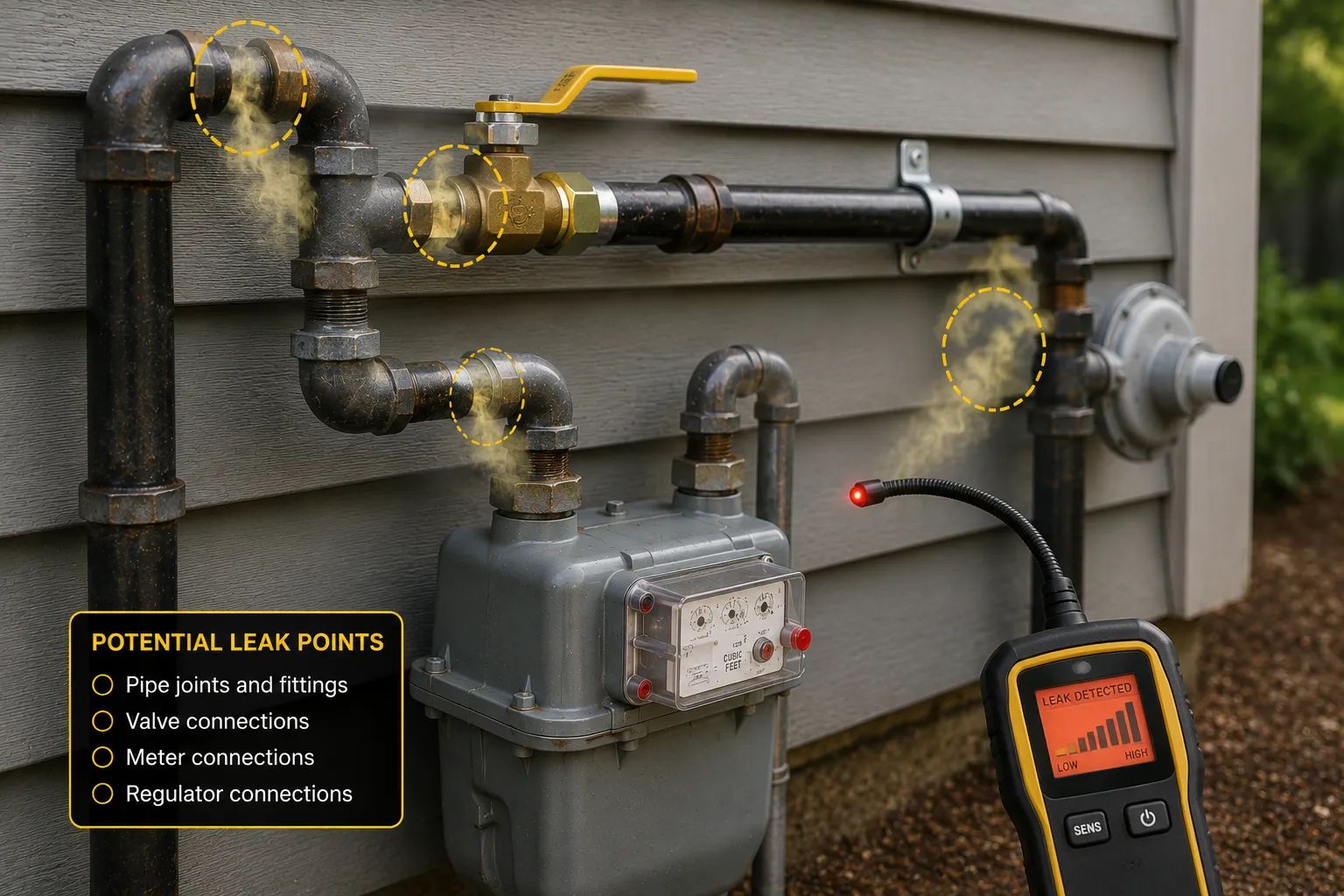
Commercial Gas Piping Replacement
Commercial gas piping replacement addresses damaged or inadequate gas lines serving businesses, multifamily properties, commercial kitchens, mechanical equipment, and other gas-powered systems. Commercial properties may place higher demand on gas piping and often require careful sizing, routing, access planning, and testing.
Our plumbers inspect the affected piping, determine appliance load requirements, replace unsafe sections, install secure fittings, and pressure-test the completed system. The goal is straightforward: restore dependable gas supply while completing the work safely and correctly.
Underground Gas Line Replacement
Underground gas line replacement removes or abandons deteriorated buried piping and installs suitable new gas piping along an approved route. Underground lines can fail because of corrosion, soil movement, physical damage, excavation, poor installation, or deterioration around transitions and risers.
Replacing buried piping may require locating the existing route, shutting off the gas supply, excavating or trenching, installing approved underground pipe, protecting transitions, connecting the new line, and testing the complete section.
We determine the replacement method after assessing the property, pipe location, access, appliance requirements, and condition of the existing line.
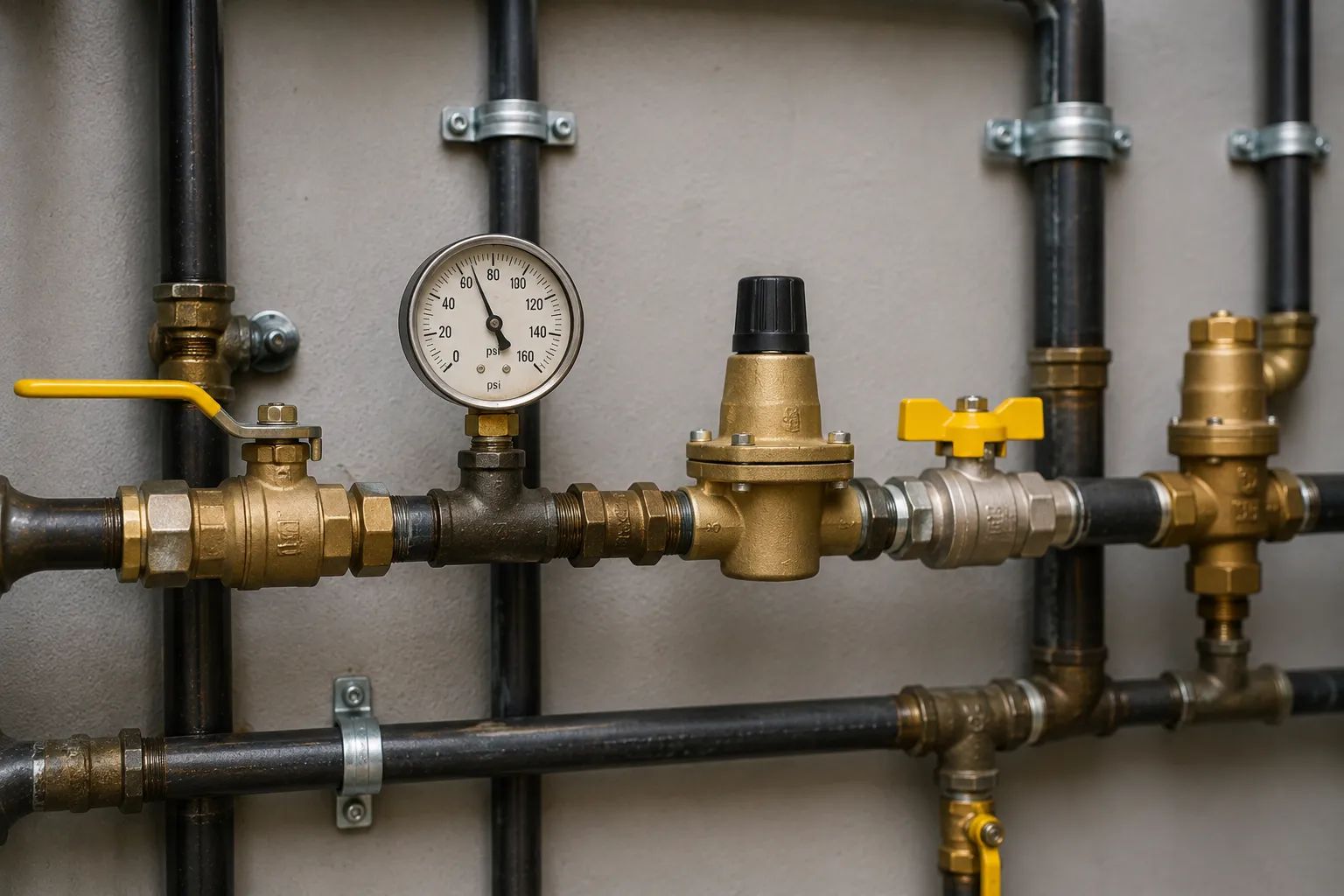
Interior Gas Pipe Replacement
Interior gas pipe replacement corrects damaged, corroded, undersized, or improperly routed piping inside a home or commercial building. Interior systems may include black iron pipe, CSST, fittings, branch lines, appliance shutoff valves, manifolds, and connections.
Our plumbers locate the affected sections, plan accessible routing, remove or isolate unsafe piping, install replacement pipe, secure supports, reconnect approved components, and test the system before service is restored.
When walls, ceilings, crawl spaces, basements, utility rooms, or mechanical areas affect access, we plan the replacement route to limit unnecessary disruption whenever practical.
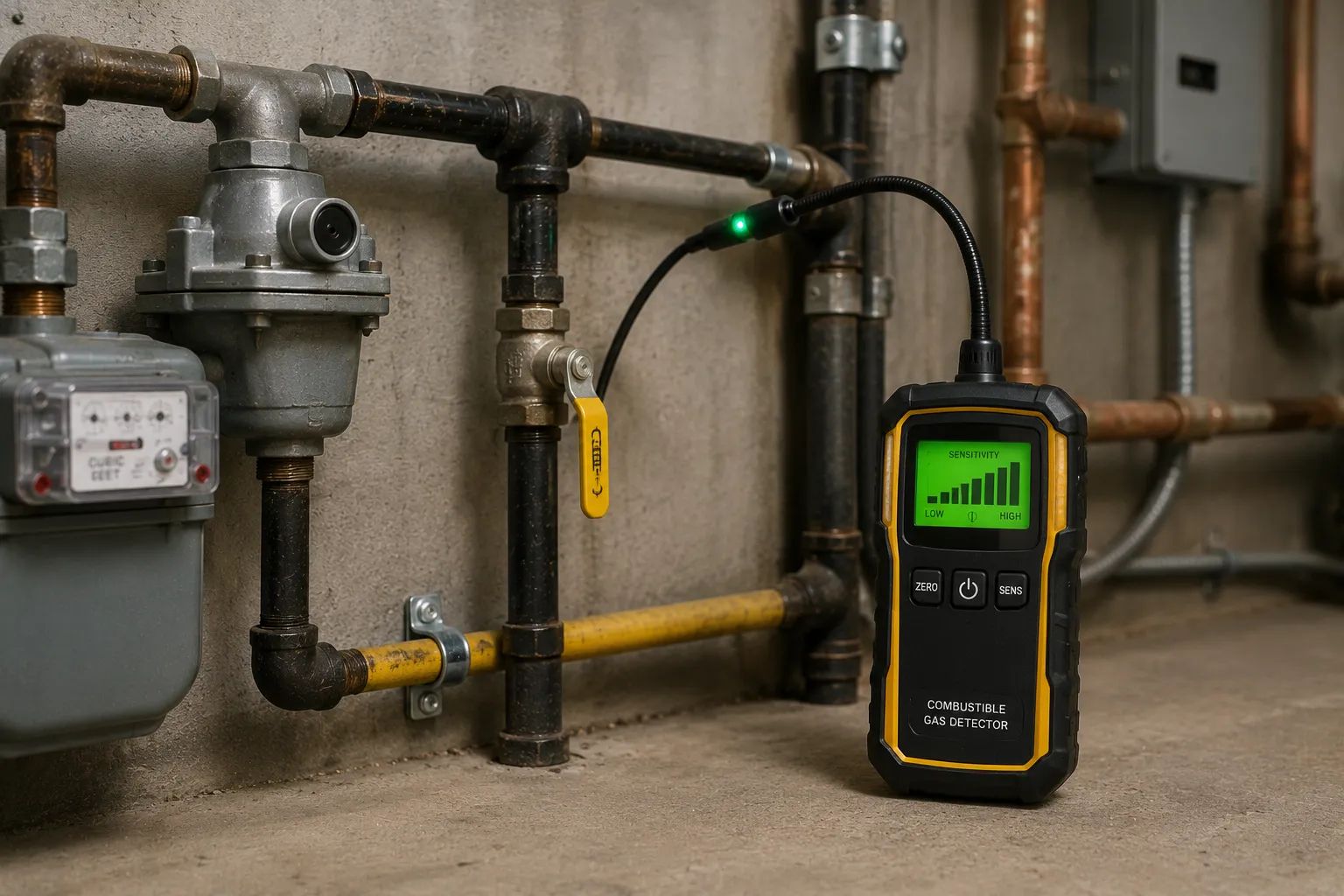
Gas Line Replacement for Appliances
Gas line replacement for appliances supplies the correct amount of fuel through secure piping and approved connections. New appliances can require different pipe sizes, routing, shutoff locations, or gas capacity than the equipment they replace.
We replace or resize gas piping for:
- Gas furnaces
- Gas water heaters
- Tankless water heaters
- Gas ranges
- Gas cooktops
- Gas ovens
- Gas fireplaces
- Gas dryers
- Boilers
- Pool heaters
- Outdoor grills
- Fire pits
- Approved generators
An appliance upgrade can increase gas demand. Increased demand can require larger piping. Proper sizing supports appliance operation and helps maintain suitable pressure throughout the gas system.
Our Gas Line Replacement Process
Our gas line replacement process identifies the problem, removes unsafe piping, installs the correct replacement, and verifies the completed system before normal use.
1. Inspect the existing gas piping:
We examine visible lines, fittings, shutoff valves, connections, corrosion, damage, and routing.
2. Locate the affected section:
We determine whether the problem involves one connection, one branch, an underground line, or a larger piping system.
3. Calculate gas demand:
We review connected appliances, line length, pressure requirements, and required pipe capacity when sizing changes are necessary.
4. Plan the replacement route:
We select an appropriate pipe route, material, fittings, valves, and access method for the property.
5. Shut off and isolate gas:
The affected piping is safely isolated before removal or installation work begins.
6. Remove or abandon unsafe piping:
Damaged, corroded, obsolete, or improperly installed sections are removed or correctly taken out of service.
7. Install new gas piping:
We install properly sized pipe, fittings, supports, transitions, shutoff valves, and appliance connections where required.
8. Pressure-test the system:
Pressure testing checks the new piping for system integrity before gas service is restored.
9. Leak-test connections:
Leak testing verifies fittings and connections after installation.
10. Complete final checks:
We confirm that the replacement section is secure, properly connected, and ready for safe operation.
Gas Line Repair vs. Replacement
Gas line repair vs. replacement depends on how much of the system is damaged and whether the remaining piping can continue operating safely. A small isolated defect may justify repair, while widespread corrosion, multiple leaks, repeated failures, or obsolete piping may justify replacement.
Repair addresses a specific defect. Replacement removes compromised piping and installs a new section or new system. Our plumbers inspect the condition first and recommend the scope that matches the actual problem rather than replacing functional piping unnecessarily.
Whole-House Gas Repiping
Whole-house gas repiping replaces multiple aging, unsafe, or inadequate gas lines throughout a property. Complete repiping may be appropriate when older piping has extensive corrosion, several branches have recurring leaks, previous modifications created unsafe connections, or appliance demand exceeds the capacity of the existing system.
We map the gas supply, identify appliance branches, calculate required capacity, determine new routing, install replacement piping, reconnect appliances, and test the system.
Whole-house gas line replacement creates one coordinated piping system instead of continuing repeated repairs across multiple deteriorated sections.
Gas Line Rerouting
Gas line rerouting changes the path of gas piping when the existing route conflicts with remodeling, construction, structural changes, appliance relocation, or safety requirements. Rerouting may also help replace inaccessible sections without following the exact original path.
We determine the new route, calculate pipe size, install approved materials, secure the piping, connect required valves and appliances, and test the new section.
Gas piping should follow a planned route. Proper routing protects the line, supports future access, and keeps connections positioned correctly.
Gas Pipe Materials Used for Replacement
Gas pipe materials used for replacement depend on location, application, installation method, and applicable requirements. Common materials may include black iron pipe, approved CSST, polyethylene piping for suitable underground applications, coated steel, and other permitted gas piping materials.
Material selection matters because interior, exterior, concealed, and underground locations create different installation conditions. We match the replacement material to the application instead of selecting pipe based only on convenience.
Secure materials require secure fittings. Secure fittings prevent leakage. Correct materials and connections create a reliable gas delivery path.
Gas Line Sizing and Appliance Demand
Gas line sizing and appliance demand determine whether piping can deliver enough fuel to every connected appliance. Adding a tankless water heater, furnace, range, fireplace, generator, or other high-demand appliance can change the required capacity of the system.
We review appliance input requirements, available gas pressure, pipe diameter, line length, and system configuration before replacing or resizing piping.
An undersized gas line can restrict supply. Properly sized piping supports required flow. Correct sizing helps connected appliances receive the gas supply they were designed to use.
Pressure Testing After Replacement
Pressure testing after replacement confirms the integrity of newly installed gas piping before normal service resumes. Testing helps identify leaks, loose fittings, or incomplete connections that must be corrected before the system is placed into operation.
Our plumbers test completed piping according to the requirements that apply to the installation. We correct any identified issue, retest the system, and confirm the replacement section before final completion.
Testing verifies installation. Verification supports safe operation.
Permits and Code Compliance
Permits and code compliance are important parts of gas line replacement because gas piping must meet applicable installation and safety requirements. The exact permit, inspection, and utility coordination requirements can vary according to the type and location of the work.
Seattle Plumbers plans replacement work around applicable requirements, proper pipe sizing, approved materials, secure connections, shutoff access, testing, and inspection when required.
Code-compliant installation protects the property, supports safe appliance operation, and reduces the risk created by improper gas piping modifications.
Emergency Gas Line Replacement
Emergency gas line replacement may be necessary when severe damage prevents a gas line from being safely returned to service. A ruptured pipe, major corrosion, excavation damage, failed pressure test, or repeated leak can require replacement instead of another temporary repair.
We inspect the affected system, isolate unsafe piping, determine the replacement scope, install new pipe and fittings, and perform required testing.
If there is an active gas odor or suspected gas escape, treat the condition as a safety issue first. Leave the area and contact the appropriate emergency or utility service before attempting to operate appliances, switches, or ignition sources.
Why Choose Seattle Plumbers for Gas Line Replacement?
Why choose Seattle Plumbers for gas line replacement comes down to accurate inspection, correct sizing, secure installation, and clear recommendations. We diagnose the condition of the gas piping before deciding whether a repair, partial replacement, reroute, or larger repiping project is appropriate.
Our gas line replacement services include:
- Residential gas pipe replacement
- Commercial gas piping replacement
- Underground gas line replacement
- Interior gas pipe replacement
- Corroded gas line replacement
- Damaged gas line replacement
- Appliance gas line replacement
- Gas line rerouting
- Whole-house gas repiping
- Gas pipe sizing
- Pressure testing
- Leak testing
We replace what needs replacement, install piping for the actual gas demand, and verify the completed work before the system returns to normal service.
Schedule Gas Line Replacement in Seattle
Schedule gas line replacement in Seattle when aging, damaged, leaking, undersized, or improperly installed piping needs a dependable solution. Seattle Plumbers serves Seattle homes and businesses with professional gas pipe replacement, gas piping replacement, rerouting, repiping, appliance line replacement, and underground gas line replacement services.
Call to schedule an inspection or request a gas line replacement estimate. We will identify the affected piping, explain the available solution, determine the required scope, and replace unsafe gas lines with properly installed piping built for reliable gas delivery.
Gas Line Replacement FAQs
How do I know if my gas line needs replacement?
How do I know if my gas line needs replacement depends on the condition of the pipe and the extent of the problem. Severe corrosion, multiple leaks, physical damage, recurring repairs, unsafe routing, failed testing, or inadequate pipe capacity can indicate that replacement is more appropriate than another repair.
Can a leaking gas line be repaired instead of replaced?
Can a leaking gas line be repaired instead of replaced depends on where the leak occurs and the condition of the surrounding piping. A localized fitting problem may be repairable, while deteriorated or repeatedly leaking pipe may require partial or complete replacement.
How much does gas line replacement cost?
How much gas line replacement costs depends on pipe length, material, diameter, location, access, excavation, appliance connections, routing, permits, and the amount of piping being replaced. An inspection allows us to determine the required scope before providing pricing.
Can you replace an underground gas line?
Can you replace an underground gas line is a common question, and yes, damaged or deteriorated buried gas piping can be replaced using materials and installation methods suitable for underground service.
Does a new gas appliance require a larger gas line?
Does a new gas appliance require a larger gas line depends on its fuel demand and the capacity of the existing piping. We calculate appliance load, line length, pipe diameter, and available gas pressure to determine whether resizing is necessary.
Is pressure testing required after gas pipe replacement?
Pressure testing after gas pipe replacement verifies that the newly installed piping and connections maintain system integrity. The applicable testing procedure depends on the installation and local requirements.
Can you replace all the gas piping in an older home?
Replacing all the gas piping in an older home may be appropriate when widespread corrosion, outdated materials, multiple leaks, unsafe modifications, or inadequate pipe sizing affect several parts of the system. We inspect the existing piping first and determine whether targeted replacement or complete repiping provides the better solution.