Gas Line Repair in Seattle
Gas line repair is the process of locating, sealing, or replacing compromised sections of natural gas or propane piping to restore safe, code-compliant, leak-free operation.
Plumbers Seattle provides emergency and scheduled gas line repair services for homes and businesses throughout the Seattle area. Our licensed plumbers use advanced leak detection equipment to pinpoint compromised fittings, corroded pipes, and damaged connections in natural gas and propane systems. We perform pressure testing and code-compliant repairs to city and state safety standards, protecting your property from gas leaks, fire hazards, and explosion risks.
Services We Offer
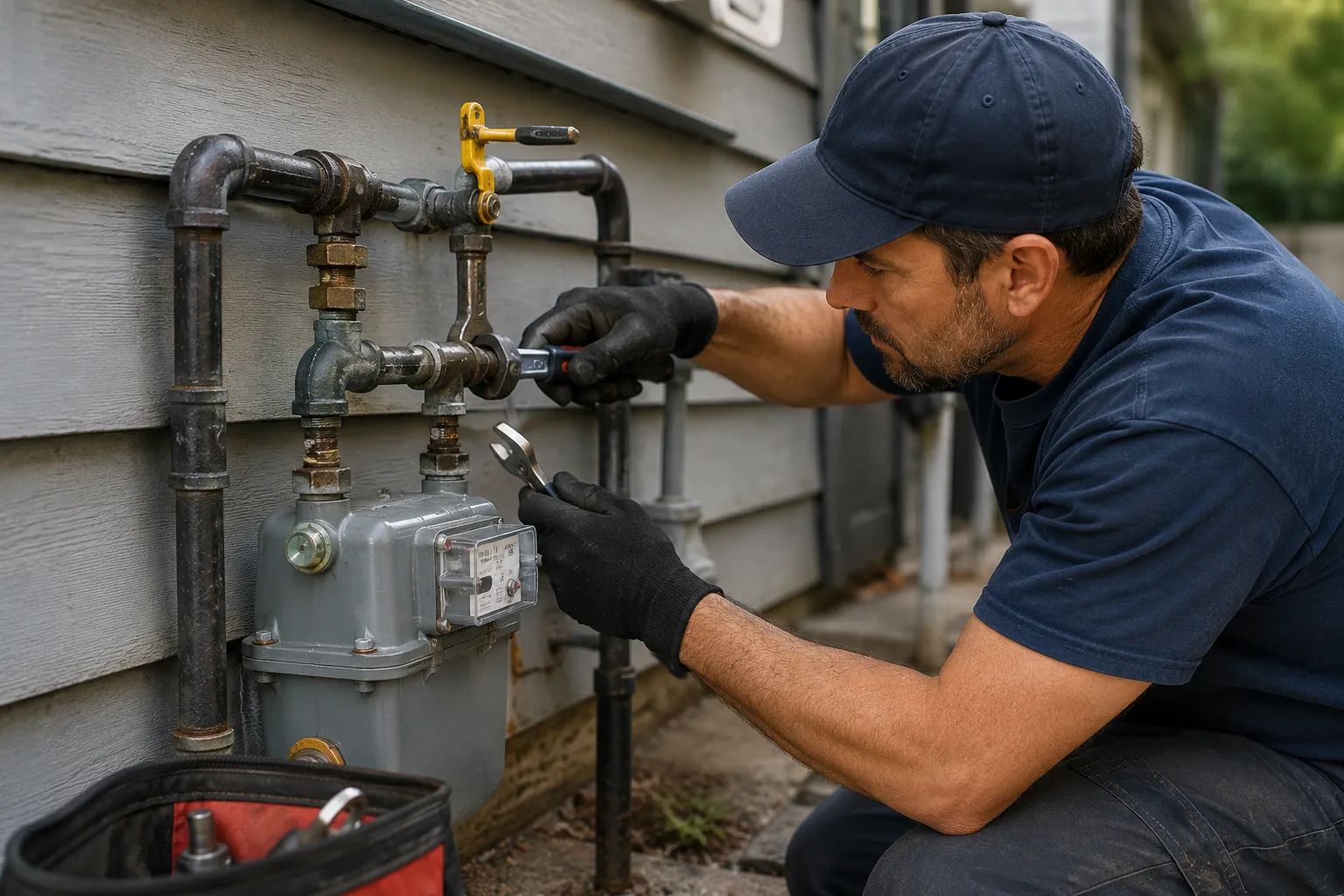
Gas line services we offer include installation, inspection, repair, replacement, leak detection, preventive maintenance, and emergency repair. We diagnose the condition of the piping first, then recommend the service needed to restore a safe and reliable gas supply.
Installation
Gas line installation provides a new gas supply for appliances, remodels, additions, outdoor equipment, and other approved applications. We install pipe, fittings, shutoff valves, and connections, then check and test the completed system.
Inspection
Gas line inspection identifies leaks, corrosion, damaged piping, loose fittings, worn valves, and leaking connections. Our plumbers check accessible lines and related components so the required repair can be completed before the problem develops further.
Repair
Repair corrects leaking fittings, cracked pipe sections, damaged connections, faulty valves, and other localized defects. We locate the affected component, repair or replace it, test the system, and confirm that the repaired section is operating properly.
Replacement
Replacement solves problems caused by severe corrosion, repeated leaks, aging pipe, or widespread damage. We remove deteriorated sections, install suitable replacement piping, and test the new connections before service resumes.
Our Repair Services
Our repair services are designed to detect the problem, fix the affected line, and restore dependable gas supply to the property. We provide targeted solutions based on the location, extent, and cause of the damage.
Leak Detection and Repair
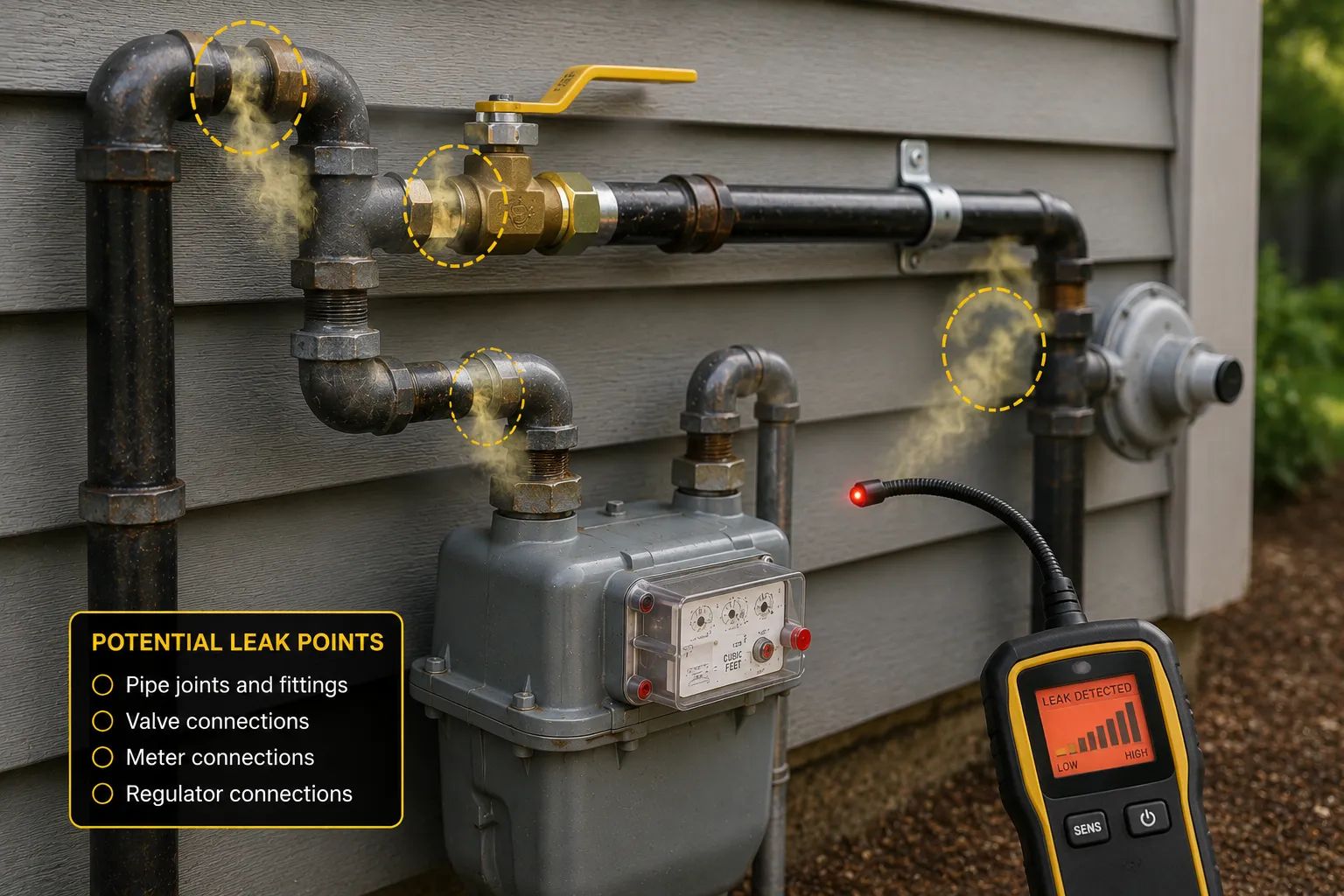
Leak detection and repair locates escaping gas and fixes the leaking connection, joint, valve, fitting, or damaged pipe section. Our plumbers inspect the system, detect the gas line leak, diagnose the source, complete the gas leak repair, and test the repaired area.
Replacement
Replacement resolves piping problems that cannot be reliably repaired. We replace corroded, damaged, or deteriorated sections and confirm the integrity of the new pipe and connections.
Inspection
Inspection finds problems before repair begins. We check piping, valves, fittings, joints, and appliance connections for gas leaks, corrosion, physical damage, and conditions that may affect safe operation.
Preventive Maintenance
Preventive gas line maintenance helps prevent avoidable gas supply problems by identifying corrosion, worn fittings, damaged valves, and weak connections early. Our plumbers inspect accessible components and recommend repairs when developing issues are found.
Emergency Repair
Emergency gas leak repair addresses urgent conditions such as a suspected gas leak, broken pipe, damaged gas line, leaking connection, or accidental piping damage. We inspect the problem, locate the affected section, complete the required emergency repair, and test the system before normal operation resumes.
If you smell gas or suspect an active leak, leave the affected area and contact the appropriate gas utility or emergency service before attempting to inspect the system yourself.
Symptoms of a Broken or Leaking Line
Symptoms of a broken or leaking line can indicate a problem that needs immediate inspection and repair. We can diagnose these warning signs and determine whether the issue involves a gas line leak, damaged pipe, leaking connection, corrosion, or another gas supply defect.
Foul or Sulfur-Like Odors
Foul or sulfur-like odors can be signs of a gas leak. If the odor is associated with piping or an appliance connection, the source should be located and repaired before the system returns to normal use.
Cracked or Damaged Pipes
Cracked or damaged pipes can allow gas to escape from the system. Our plumbers inspect the affected section, determine the extent of the damage, and repair or replace the compromised pipe.
Hissing or Other Unusual Noises
A hissing sound near a pipe, fitting, valve, or appliance connection can indicate escaping gas. We can locate the source, diagnose the leaking component, and complete the required gas leak repair.
Rust or Corrosion
Rust or corrosion can weaken metal pipe, fittings, and connections. Our plumbers inspect the affected section and determine whether repair or replacement is the safer long-term solution.
Dead Plants and Flowers
Dead plants and flowers near an underground line can sometimes indicate a buried gas leak. Leak detection can help locate the affected underground section before the damaged gas line is repaired or replaced.
Increased Utility Bills
Increased utility bills can sometimes point to unusual gas usage caused by a leak or gas appliance issue. We can inspect the gas supply and rule out a line problem.
Bubbles in Standing Water
Bubbles in standing water near buried piping can indicate escaping gas. A plumber can inspect the area, locate the suspected gas leak, and determine the correct repair.
Faulty Gas Appliances
A gas appliance not working can result from gas supply, pressure, connection, or piping problems. We check the appliance supply line and related connections to diagnose whether the issue comes from the gas system.
Common Problems We Repair
Common problems we repair include leaks, corrosion, damaged connections, low gas pressure, appliance supply problems, and underground pipe damage. Each problem is inspected and diagnosed before repair begins.
Leaks
Leaks can occur at joints, valves, fittings, appliance connections, or damaged pipe sections. We use gas leak detection to locate the source, fix the failed component, and test the repaired line.
Corroded Pipes
Corroded pipes can weaken and develop leaks over time. Our plumbers inspect the gas line corrosion, remove damaged sections when required, install replacement pipe, and confirm safe operation.
Damaged Connections
Damaged gas line connections can interrupt the gas supply or allow gas to escape. We repair or replace loose fittings, faulty valves, worn connectors, and leaking connections.
Low Gas Pressure
Low gas pressure can affect the operation of connected gas appliances. We check the pipe, sizing, connections, and related components to diagnose and repair the underlying problem.
Appliance Supply Problems
Appliance supply problems can affect water heaters, furnaces, ranges, dryers, fireplaces, and other gas appliances. Our plumbers inspect the supply line, valve, fitting, and connector, then fix the component causing the problem.
Underground Pipe Damage
Underground gas line damage can result from corrosion, excavation, soil movement, or physical impact. We locate the affected area, inspect the pipe condition, and repair or replace the damaged section.
Types of Lines We Repair
Types of lines we repair include natural gas lines, propane lines, appliance supply lines, outdoor lines, and underground piping. We provide repair solutions based on the material, condition, location, and gas supply requirements.
Natural Gas Lines
Natural gas lines can develop leaks, corrosion, damaged fittings, faulty valves, and compromised pipe sections. Our plumbers inspect the line, repair the affected component, and test the system after the work is complete.
Propane Lines
Propane lines can develop leaking connections, damaged fittings, corrosion, and pipe defects. We locate the problem and complete the repair or replacement needed for safe operation.
Appliance Supply Lines
Appliance supply lines serve water heaters, furnaces, ranges, cooktops, dryers, fireplaces, and other gas appliances. We check the pipe, valve, fitting, and connection supplying the equipment.
Outdoor Lines
Outdoor lines can develop leaks, corrosion, damaged piping, and connection problems due to exposure or physical damage. We inspect exposed sections and repair the components causing the gas supply issue.
Underground Lines
Underground lines can be damaged by corrosion, soil movement, excavation, or physical impact. Our plumbers locate the damaged section and determine whether repair or replacement is required.
Components We Inspect and Repair
Components we inspect and repair include the pipe and connected parts that control and distribute the gas supply. We check the complete affected section so the actual source of the problem can be fixed.
- Gas supply pipes
- Pipe joints
- Fittings
- Connectors
- Shutoff valves
- Regulators
- Unions
- Appliance connections
- Exposed piping
- Underground sections
Our Repair Process
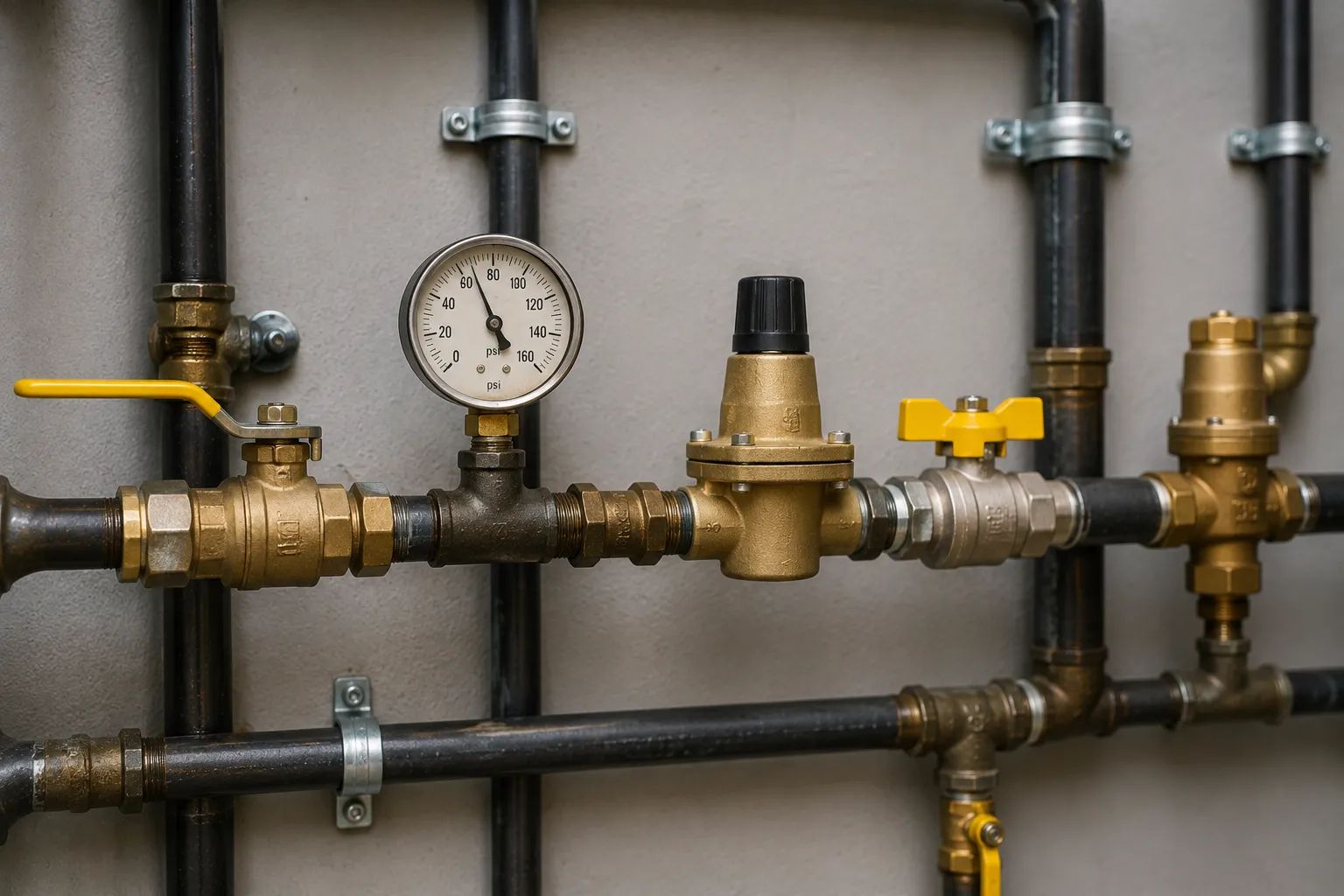
Our repair process focuses on locating the problem, completing the correct repair, and confirming that the system is ready for safe operation.
1. Inspect the System
System inspection checks accessible pipe, fittings, valves, joints, and appliance connections for leaks, corrosion, damage, or wear.
2. Locate and Diagnose the Problem
Locating and diagnosing the problem identifies the exact component causing the leak, supply issue, or damaged condition.
3. Secure the Gas Supply
Securing the gas supply isolates the affected section so the repair can be completed safely.
4. Repair or Replace the Damaged Component
Repairing or replacing the damaged component may involve fixing a leaking connection, replacing a fitting, installing new pipe, or removing a corroded section.
5. Test the System
Testing the system checks the repaired piping and connections for integrity after the work is completed.
6. Confirm Safe Operation
Confirming safe operation verifies the repaired section before normal gas service is restored.
Leak Detection and Pressure Testing
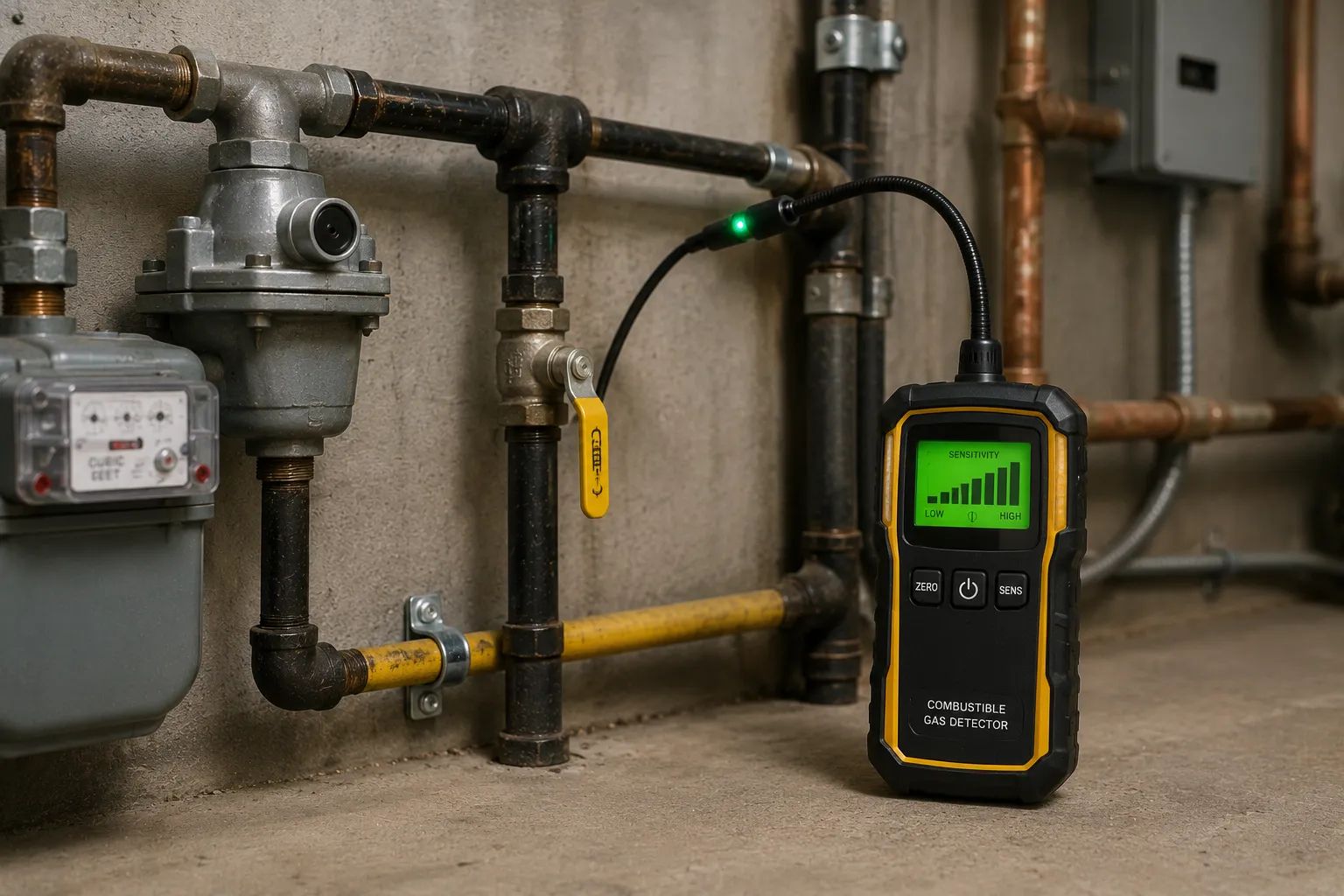
Leak detection and gas line pressure testing help locate hidden leaks and verify completed repairs. We inspect gas piping, detect suspect leaks, check fittings and connections, and test the repaired section before restoring the gas supply.
Gas leak detection is especially important when signs of a gas leak are present but the exact source is not visible. Accurate diagnosis allows our plumbers to repair the correct component instead of replacing unaffected piping.
Repair vs. Replacement
Repair versus replacement depends on the amount of damage, severity of corrosion, location of the leak, age of the pipe, and condition of the surrounding gas system. We inspect these factors before recommending the most suitable solution.
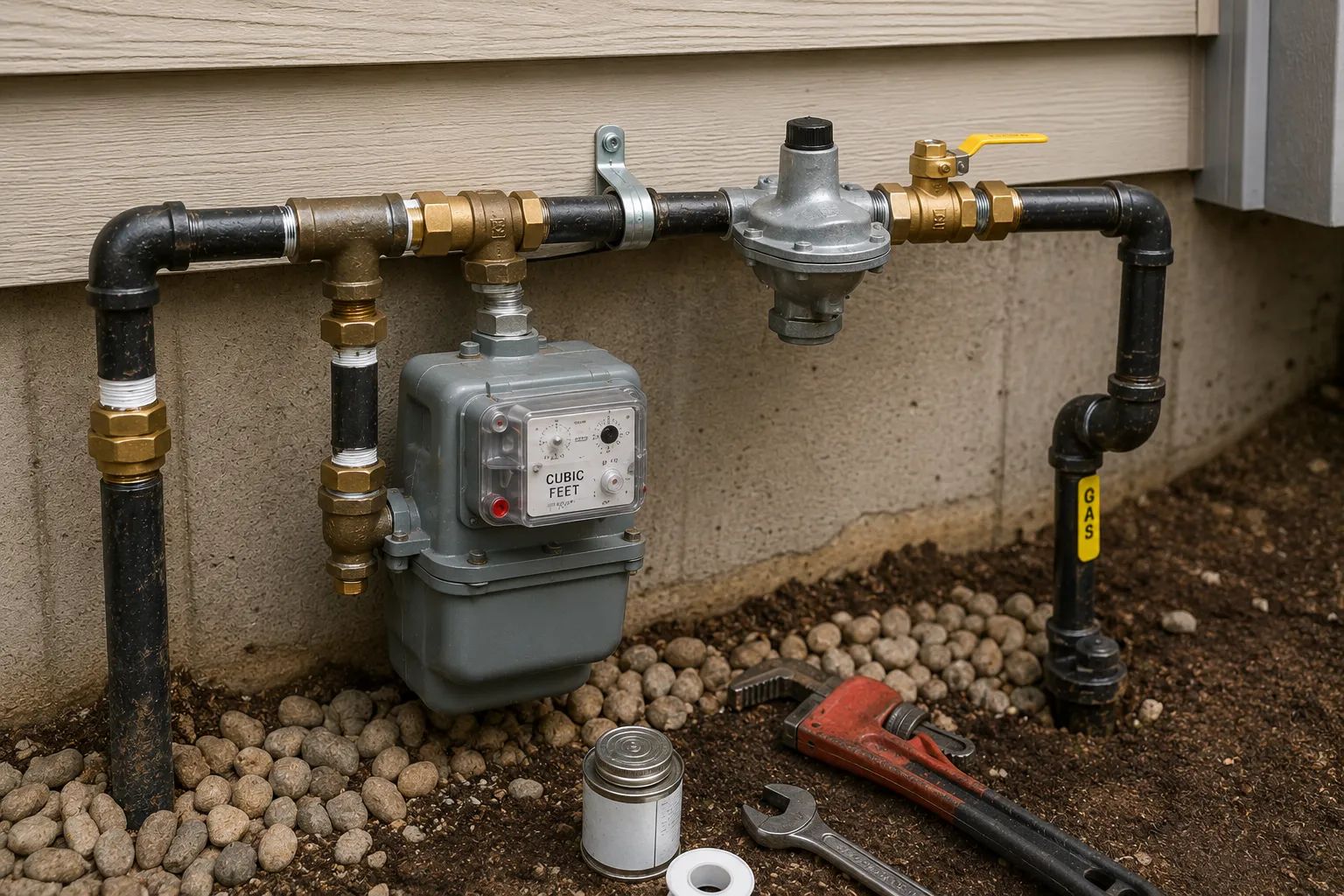
Repair may be appropriate for a localized gas line leak, loose fitting, leaking connection, or isolated damaged section. Replacement may be the better option when gas line corrosion is extensive, leaks keep returning, or the pipe has deteriorated beyond a dependable repair.
Benefits of Professional Repair
Benefits of professional gas line repair include improved safety, reliable gas supply, better appliance operation, and correction of damaged piping before the problem becomes more serious.
Safety
Safety improves when gas leaks, damaged piping, and leaking connections are located and repaired correctly. We check the repaired section and confirm safe operation before service resumes.
Efficiency
Efficiency improves when the gas supply reaches connected appliances without leaks, restrictions, or damaged components affecting normal flow.
Reliability
Reliability improves when defective pipe, fittings, valves, and connections are repaired or replaced before they cause repeated gas supply problems.
Compliance
Compliance is supported when gas line repair and replacement work follows applicable installation and safety requirements for the property.
What to Do If You Suspect a Gas Leak
What to do if you suspect a gas leak starts with protecting people and avoiding anything that could ignite escaping gas.
- Leave the affected building or area
- Avoid flames and ignition sources
- Do not operate electrical switches
- Contact the appropriate gas utility or emergency service
- Do not attempt gas leak repair yourself
- Have the system inspected before service is restored
Once the immediate hazard is addressed, we can perform gas leak detection, locate the damaged gas line, complete the required repair, and test the system.
Residential Gas Repair
Residential repair solves gas leaks, damaged piping, leaking connections, corrosion, and appliance supply problems in houses, condos, apartments, and other residential properties. We identify the affected line and complete the repair needed to restore reliable gas service.
Residential piping can run through utility rooms, walls, crawl spaces, exterior areas, and underground sections. Our plumbers inspect the specific area involved and repair or replace the damaged component.
Commercial Gas Repair
Commercial repair solves piping, valve, fitting, connection, and gas supply problems that affect commercial buildings and equipment. We inspect and repair lines serving water heating, space heating, cooking equipment, and other gas appliances.
Commercial repair begins with accurate diagnosis. Our plumbers locate the affected section, repair or replace the damaged component, test the line, and confirm that the repaired gas supply is ready for service.
Why Choose Seattle Plumbers
Why choose Seattle Plumbers comes down to focused diagnosis, clear repair recommendations, experienced technicians, trained professionals, and a safety-first approach. Our team works to identify the exact problem and complete the repair needed for the affected gas system.
Safety First
Safety first means locating the problem accurately, repairing the correct component, testing the completed work, and confirming safe operation before the system returns to service.
Experienced Technicians
Experienced technicians understand how gas leaks, corrosion, damaged piping, valves, fittings, and appliance connections affect gas supply systems.
Trained Professionals
Trained professionals follow a structured inspection and repair process to diagnose problems and complete appropriate corrective work.
Clear Repair Recommendations
Clear repair recommendations tell property owners what was found, what needs to be fixed, and whether repair or replacement is the better option.
Frequently Asked Questions
Frequently asked questions about gas line repair usually involve leak detection, warning signs, emergency repair, inspection, and replacement.
What are the signs of a gas leak?
Signs of a gas leak can include a sulfur-like odor, hissing sound, gas line corrosion, damaged pipe, faulty gas appliances, increased gas usage, dead vegetation, or bubbling near underground piping.
What should I do if I smell gas?
If you smell gas, leave the affected area, avoid flames and electrical switches, and contact the appropriate gas utility or emergency service.
Can a leaking line be repaired?
A leaking line can often be repaired when the leak is limited to a fitting, valve, connection, joint, or localized pipe section. Widespread corrosion or damage may require replacement.
How do plumbers locate leaks?
Plumbers locate leaks by inspecting the piping, checking connections, performing gas leak detection, and using appropriate testing methods to identify the source.
Why is there a hissing sound near my gas pipe?
A hissing sound near a gas pipe can indicate escaping gas from a pipe, valve, fitting, or leaking connection. The source should be located and inspected promptly.
Can underground lines be repaired?
Underground lines can often be repaired when the damaged section can be safely accessed. Extensive corrosion or damage may require replacement.
Do you repair supply lines for gas appliances?
Supply lines for gas appliances can be repaired when the problem involves the pipe, shutoff valve, fitting, connector, or another related component.
When should a line be replaced instead of repaired?
A line should be considered for replacement when corrosion is extensive, leaks keep returning, the pipe is severely damaged, or the existing section cannot provide a dependable long-term repair.
Schedule Gas Line Repair in Seattle, Washington
Schedule gas line repair in Seattle, Washington when you notice a gas leak, hissing sound, gas line corrosion, damaged gas line, leaking connection, or gas supply problem. We can inspect the system, locate the issue, diagnose the cause, repair or replace the affected component, test the line, and restore service.
Contact Seattle Plumbers for gas leak detection, gas leak repair, gas line inspection, emergency gas line repair, damaged gas line repair, natural gas line repair, appliance supply line repair, underground line repair, or replacement.