Tankless Water Heaters
Tankless water heaters, also called on-demand or instantaneous water heaters, are compact appliances that heat water instantly as it flows through the unit using a gas burner or electric heating element, eliminating the need for a storage tank.
Seattle Plumbers installs, repairs, and maintains tankless water heaters for homes and businesses throughout the Seattle area. Our licensed plumbers work with leading brands such as Rinnai, Navien, and Rheem to deliver energy-efficient, on-demand hot water solutions. We handle everything from sizing and gas line or electrical upgrades to flushing, descaling, and troubleshooting flow sensors and igniters, ensuring reliable performance and lower energy costs.
Professional Installation
Professional installation gives your on-demand water heating system the correct water, gas, electrical, venting, and drainage connections required for safe, dependable operation. Our plumbers inspect the property, calculate hot water demand, select the correct system capacity, and install the unit according to manufacturer requirements and applicable plumbing standards. Proper installation supports consistent water temperature, reliable ignition, correct flow rate, and long-term performance.
We install gas tankless water heaters, electric tankless water heaters, condensing units, non-condensing units, indoor systems, outdoor systems, and whole-house tankless water heaters. Each installation begins with a review of your existing plumbing system, gas supply, electrical capacity, incoming water temperature, fixture demand, and available installation space.
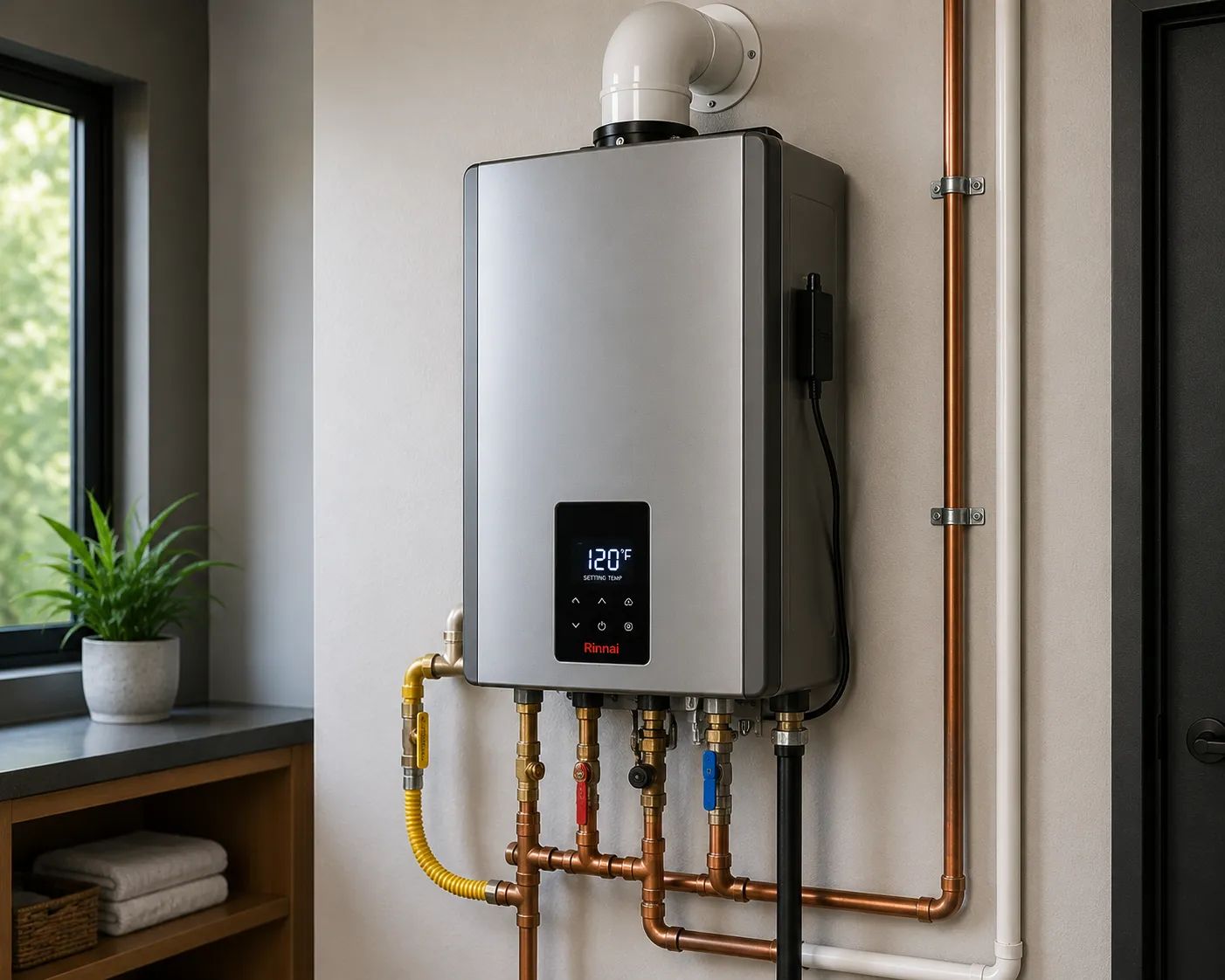
Replace a Traditional Water Heater With an On-Demand System
Replacing a traditional water heater with an on-demand system removes the need to continuously heat water inside a large storage tank. We disconnect and remove the old water heater, inspect existing water lines and energy connections, then prepare the property for a properly sized tankless hot water heater.
Tank-to-tankless conversion may require changes to the gas line, electrical supply, vent pipe, condensate drain, shutoff valves, isolation valves, or mounting location. Our plumbers identify these requirements before installation so you understand what the conversion involves. We then connect, test, and configure the new system to deliver reliable hot water when your fixtures call for it.
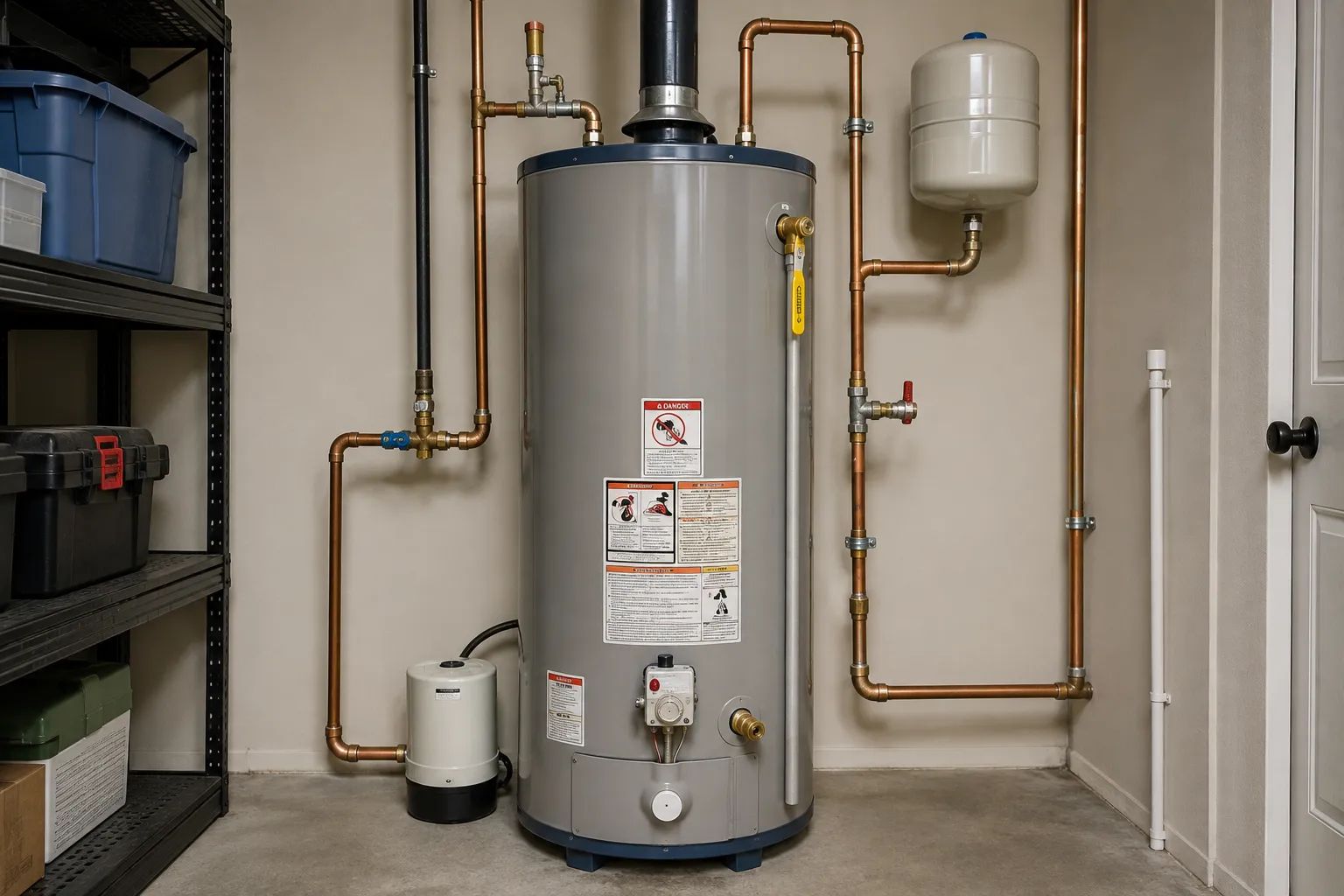
Gas-Powered Systems
Gas-powered systems heat flowing water with a natural gas or propane burner and a high-capacity heat exchanger. These systems often serve homes with substantial simultaneous hot water demand, including properties where showers, faucets, dishwashers, and washing machines may operate at the same time.
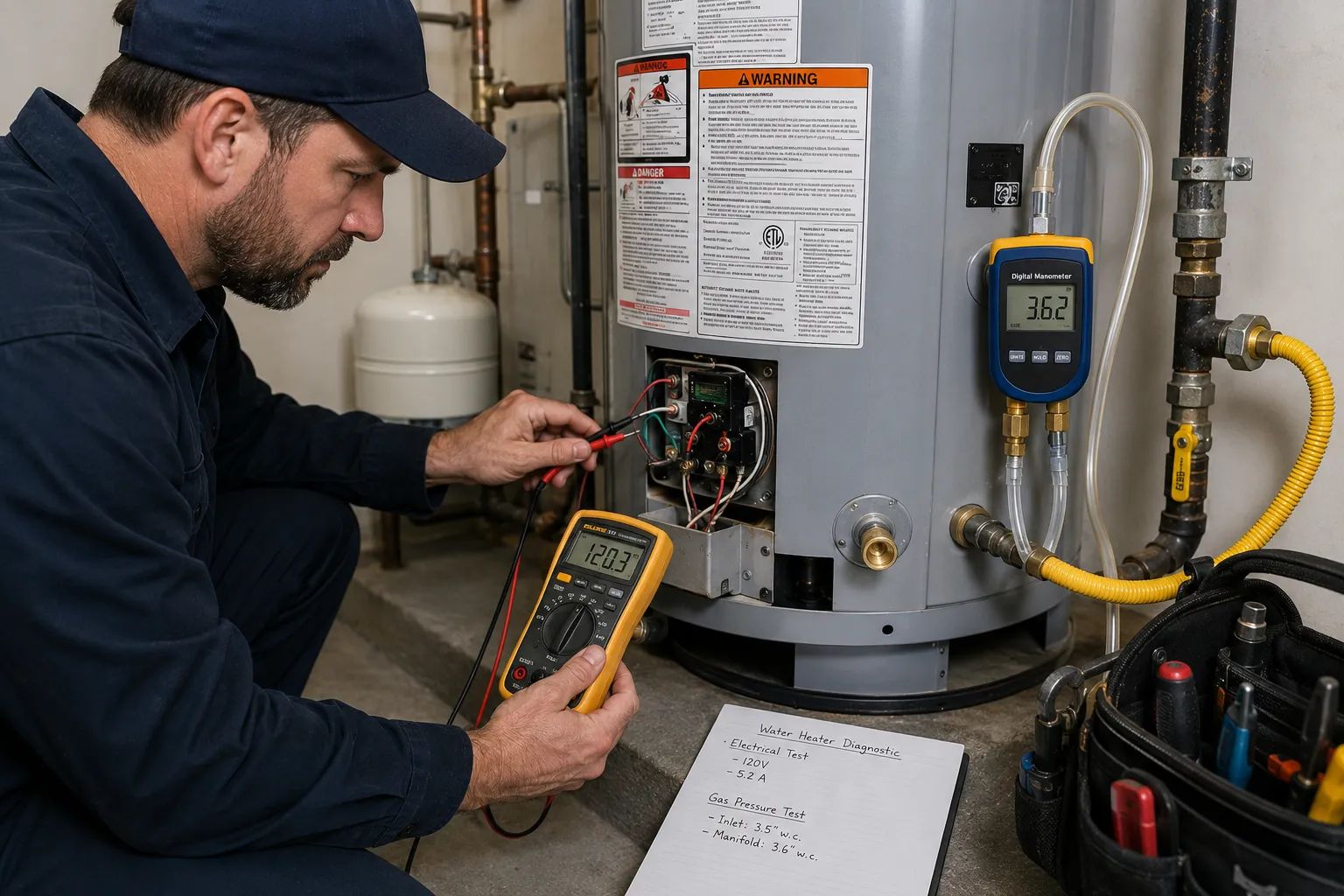
Our plumbers inspect gas pressure, gas-line capacity, combustion air, venting, ignition components, burner operation, and exhaust requirements before installation or replacement. A properly supplied gas tankless water heater can deliver strong flow rates while maintaining the selected outlet temperature. We also install and service condensing and non-condensing models from major manufacturers, including Navien, Rinnai, Rheem, Noritz, Bradford White, AO Smith, Bosch, and Takagi.
Electric Systems
Electric systems heat water with electric heating elements rather than a gas burner. These units can work well for certain homes, smaller applications, point-of-use locations, and properties where adequate electrical capacity is available.
Our plumbers review flow requirements, incoming water temperature, panel capacity, circuit requirements, amperage, water connections, and installation location before recommending an electric tankless water heater. Whole-house electric systems may require substantial electrical capacity, so proper assessment helps prevent poor performance, insufficient temperature rise, or electrical issues after installation.
How On-Demand Hot Water Systems Work
How on-demand hot water systems work is based on water flow rather than stored hot water. When a faucet, shower, or appliance opens, a flow sensor detects demand and signals the burner or electric heating element to activate. Water then passes through the heat exchanger, where the system raises it to the selected outlet temperature.
The control board regulates ignition, temperature sensors monitor water conditions, and the flow sensor confirms ongoing demand. When the fixture closes, heating stops. This operating sequence reduces standby heat loss because the system does not keep a large tank of water heated throughout the day.
Benefits of Going Tankless
Benefits of going tankless include continuous hot water, compact equipment, reduced standby heat loss, and flexible installation options. A properly sized whole-house system can supply hot water for multiple fixtures while taking up far less space than a conventional storage tank.
Tankless water heaters also provide precise temperature control and can offer a long service life when installed correctly and maintained regularly. Actual energy use and operating cost depend on household demand, fuel type, water temperature, system efficiency, and usage habits, so we recommend the system based on property conditions rather than making generalized savings claims.
Choosing the Right System Size
Choosing the right system size requires calculating gallons per minute, temperature rise, incoming water temperature, and simultaneous fixture demand. An undersized unit may struggle when several fixtures run together, while incorrect system selection can produce fluctuating temperatures or insufficient hot water.
Our plumbers calculate expected GPM by reviewing showers, faucets, dishwashers, washing machines, and other fixtures that may operate at the same time. Household demand determines required flow rate, temperature rise affects heater capacity, and proper sizing supports consistent hot water. We match the equipment to real usage instead of selecting a unit based only on household size.
Replacement Services
Replacement services remove an aging, damaged, undersized, or unreliable unit and install a system that matches current hot water demand. Common reasons for replacement include repeated ignition failures, heat exchanger damage, corrosion, obsolete components, insufficient GPM, recurring error codes, or repair costs that no longer make practical sense.
We inspect the existing unit, water connections, gas supply, venting, electrical components, condensate drainage, and mounting location before recommending replacement. When a new unit is the better solution, we disconnect the old equipment, install the replacement, configure operating settings, and test the complete system.
Repair Services
Repair services diagnose the specific component or operating condition that prevents the unit from producing reliable hot water. Our technicians inspect the ignition system, burner, heat exchanger, flow sensor, temperature sensor, control board, inlet filter, gas pressure, water pressure, venting, and electrical supply.
Tankless water heater repair may involve cleaning a restricted filter, correcting a leaking connection, repairing ignition problems, restoring proper water flow, clearing venting issues, replacing a failed sensor, or diagnosing manufacturer error codes. We identify the cause first, explain the repair clearly, and restore safe operation whenever repair is practical.
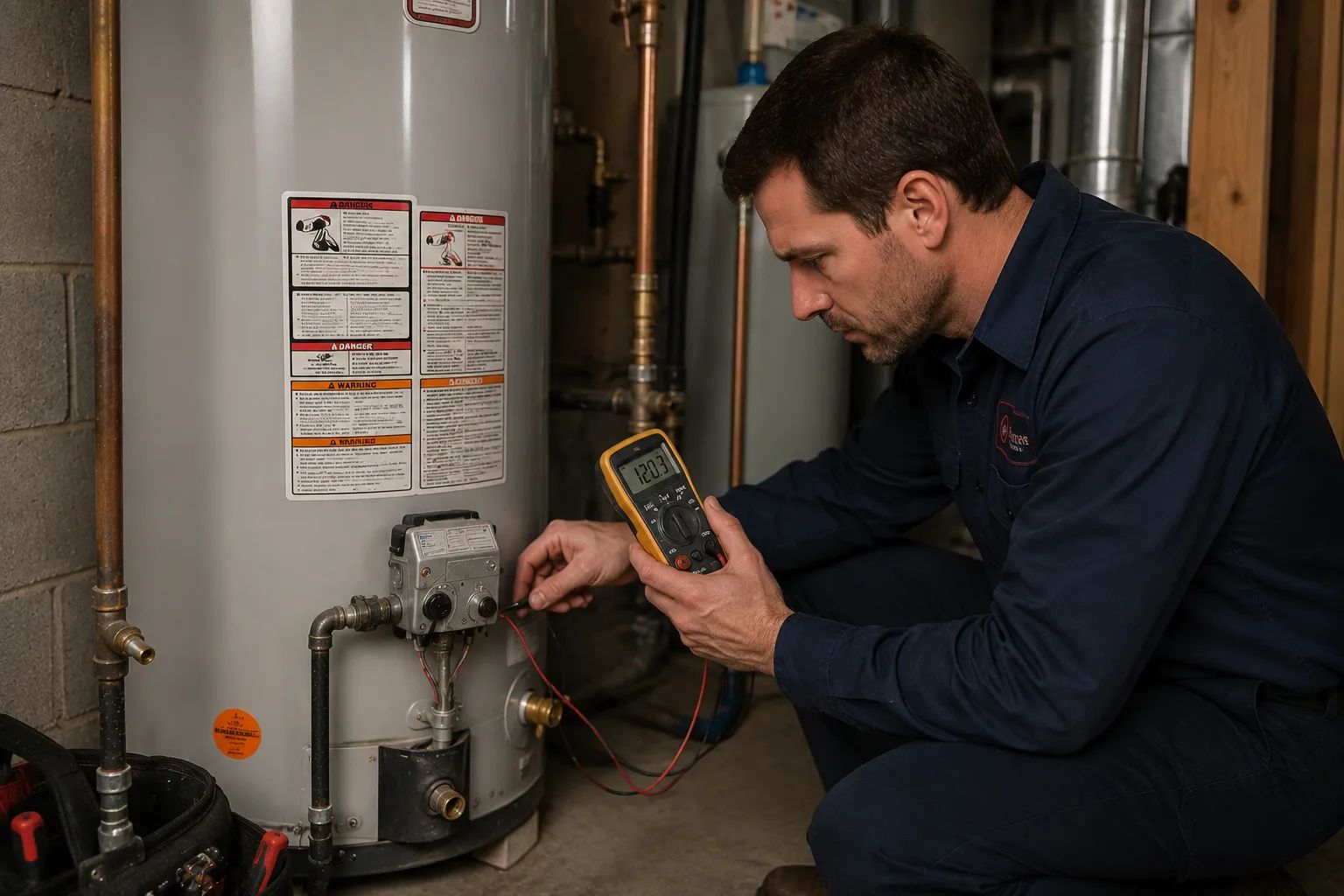
Common Problems We Diagnose
Common problems we diagnose include no hot water, inconsistent temperature, reduced flow, ignition failure, mineral buildup, leaks, error codes, and unexpected system shutdowns. These symptoms can originate from water supply, gas supply, electrical components, restricted flow, venting, sensors, or improper sizing.
No Hot Water
No hot water can result from loss of power, interrupted gas supply, ignition failure, insufficient flow, a blocked inlet filter, or a control-system fault. We test the relevant components and confirm the cause before completing the repair.
Water Temperature Fluctuates
Water temperature fluctuates when flow rate changes, demand exceeds system capacity, sensors respond incorrectly, or mineral buildup restricts heat transfer. We inspect operating conditions and correct the source of inconsistent temperature.
Low Hot Water Flow
Low hot water flow may come from mineral scale, clogged filters, plumbing restrictions, low water pressure, or internal heat exchanger buildup. We inspect the water path and restore proper flow where possible.
Error Codes
Error codes identify operating conditions detected by the control board. We read the manufacturer diagnostic information, test the associated component, and repair the underlying problem rather than simply resetting the unit.
Unit Shuts Off During Use
A unit shuts off during use when minimum flow requirements are not met, gas pressure drops, venting becomes restricted, overheating occurs, or a safety control detects an abnormal condition. Our technicians diagnose the shutdown and correct the operating issue.
Mineral and Scale Buildup
Mineral and scale buildup can restrict the heat exchanger and reduce effective heat transfer. Hard water deposits may also contribute to lower flow, temperature problems, and premature component wear. Flushing and descaling remove these deposits from the water pathway.
Leaks Around the Unit
Leaks around the unit may originate from fittings, valves, condensate drainage, water connections, or the heat exchanger. We locate the leak, inspect surrounding components, and repair or replace the affected part.
Routine Maintenance
Routine maintenance keeps the water pathway, burner system, sensors, filters, venting, and connections in proper operating condition. Maintenance is especially important where mineral deposits can collect inside the heat exchanger.
Our tankless water heater service may include flushing, descaling, inlet filter cleaning, burner inspection, vent inspection, gas-pressure testing, water-pressure checks, leak detection, temperature verification, and error-code review. Regular maintenance helps identify small problems before they lead to unreliable hot water or component failure.
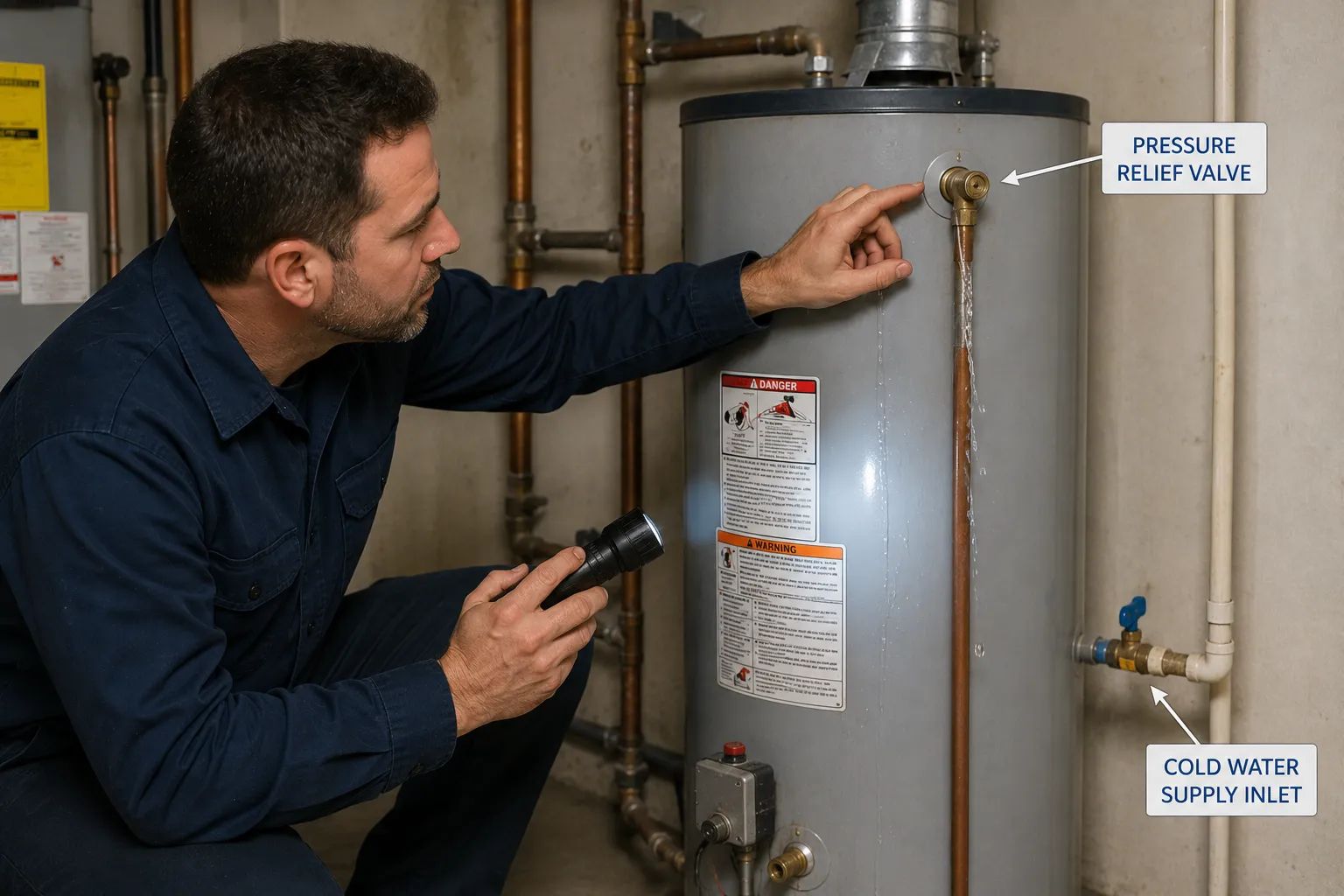
Flushing and Descaling
Flushing and descaling remove calcium, magnesium, and other mineral deposits that accumulate inside the heat exchanger. These deposits can restrict water flow and interfere with efficient heat transfer, particularly in properties with harder water.
Our plumbers connect the appropriate flushing equipment through the isolation valves, circulate the approved cleaning solution, rinse the system, clean the inlet filter, and return the unit to service. The correct maintenance schedule depends on water quality, household usage, and manufacturer recommendations.
Condensing vs. Non-Condensing Systems
Condensing vs. non-condensing systems describes how gas-fired units handle combustion heat and exhaust. Condensing models capture additional heat from combustion gases and produce condensate that must drain correctly. Non-condensing models discharge hotter exhaust and generally require different venting materials and configurations.
We review installation location, vent routing, condensate drainage, fuel supply, system capacity, and manufacturer requirements before recommending either design. The right option depends on the property and installation conditions rather than one system being appropriate for every home.
Hot Water Recirculation Systems
Hot water recirculation systems move heated water closer to frequently used fixtures and reduce the time spent waiting for hot water to travel through long plumbing runs. Tankless does not automatically mean hot water reaches the faucet instantly because cooled water already inside the pipe must leave first.
A recirculation pump, dedicated return line, crossover valve, programmable schedule, or compatible integrated pump can reduce this delay. We inspect the plumbing layout and recommend a recirculation arrangement that works with the selected tankless system.
Installation Requirements
Installation requirements depend on the unit, fuel type, property layout, existing plumbing, and manufacturer specifications. A gas system may require adequate gas-line capacity, proper venting, combustion air, condensate drainage, shutoff valves, and electrical power for ignition and controls.
An electric system requires sufficient electrical service, correct circuit capacity, proper water connections, and adequate installation clearance. Our plumbers inspect these conditions before work begins, then connect and test each required component so the system operates safely and reliably.
When Going Tankless Makes Sense
When going tankless makes sense depends on hot water demand, installation conditions, available energy supply, space, and long-term ownership plans. Homeowners commonly consider an on-demand water heater when replacing an aging storage tank, remodeling a property, building new construction, or seeking continuous hot water for multiple fixtures.
We assess your current water heater, household demand, available gas or electrical capacity, incoming water temperature, fixture layout, and installation space. If tankless is suitable, we recommend the correct system. If another water-heating option better fits the property, we explain that as well.
Cost and Installation Factors
Cost and installation factors include system capacity, fuel type, equipment selection, plumbing modifications, gas-line work, electrical upgrades, venting, condensate drainage, permits, labor, and removal of the existing heater. A direct replacement may require less work than a full tank-to-tankless conversion.
We inspect the installation conditions before recommending equipment or pricing the work. This approach gives you a clearer understanding of what the property requires and prevents important connection or capacity issues from being overlooked.
On-Demand Hot Water Solutions for Seattle Homes
On-demand hot water solutions for Seattle homes should account for local incoming water temperatures, household flow demand, existing plumbing, available fuel supply, and the condition of the property's water-heating system. Cooler incoming water can increase the temperature rise required from the heater, making accurate sizing especially important.
Seattle Plumbers installs, repairs, replaces, flushes, descales, and maintains residential and commercial tankless water heaters throughout Seattle. We work with gas and electric systems, tank-to-tankless conversions, recirculation configurations, whole-house installations, and existing on-demand equipment that needs professional diagnosis.
Our Service Process
Our service process starts by identifying the actual hot water need before recommending equipment or repairs.
1. Inspect the system:
We review the existing heater, plumbing, gas supply, electrical service, venting, and installation area.
2. Calculate demand:
We measure expected GPM, temperature rise, and simultaneous fixture use.
3. Recommend the solution:
We identify the appropriate repair, replacement, conversion, or new installation.
4. Prepare connections:
We modify required water, gas, electrical, venting, or drainage components.
5. Install or repair:
We complete the approved work using compatible parts and proper connections.
6. Test operation:
We verify ignition, flow rate, temperature, pressure, venting, controls, and leak-free operation.
7. Explain maintenance:
We provide practical guidance for flushing, filter cleaning, and future service.
Why Choose Seattle Plumbers?
Why choose Seattle Plumbers comes down to proper diagnosis, accurate sizing, careful installation, and clear recommendations. We inspect the complete water-heating system rather than treating the equipment as an isolated appliance.
Our plumbers install new systems, replace aging units, repair operating faults, perform flushing and descaling, configure recirculation systems, and complete tank-to-tankless conversions. We work with major brands and provide solutions for Seattle homes and commercial properties based on flow demand, water temperature, fuel supply, and plumbing conditions.
Frequently Asked Questions
Is a tankless water heater worth it?
Is a tankless water heater worth it depends on your hot water demand, installation conditions, available space, energy supply, and long-term plans. We can inspect the property and determine whether tankless is a practical fit.
Can I replace my tank water heater with a tankless model?
Replacing a tank water heater with a tankless model is possible when the property can support the required water flow, gas or electrical supply, venting, drainage, and installation clearances.
What size system do I need?
The size system you need depends primarily on simultaneous gallons per minute and required temperature rise. We calculate both before recommending equipment.
Can one unit run two showers at once?
One unit can run two showers at once when its rated flow capacity meets the combined GPM and temperature-rise requirement of both fixtures.
Do these systems require regular maintenance?
Regular maintenance helps control mineral buildup and allows filters, venting, burners, sensors, connections, and operating conditions to be inspected before problems become more serious.
Why does hot water still take time to reach the faucet?
Hot water still takes time to reach the faucet because cooled water already inside the plumbing must leave first. A properly designed recirculation system can reduce this delay.
Why does my unit keep shutting off?
A unit may keep shutting off because of insufficient water flow, gas-supply problems, ignition failure, blocked venting, overheating, sensor faults, or other safety-related operating conditions.
Can a recirculation pump be installed?
A recirculation pump can be installed with many tankless systems when the equipment and plumbing layout support recirculation. We inspect the configuration before recommending the correct setup.
How often should the system be flushed?
The system should be flushed according to manufacturer guidance, local water conditions, mineral content, and usage. Properties with more scale accumulation may require more frequent descaling.
What is the difference between condensing and non-condensing models?
The difference between condensing and non-condensing models involves how combustion heat and exhaust are handled. Condensing units recover more heat from exhaust and produce condensate, while non-condensing units discharge hotter exhaust through a different venting arrangement.