Serving Seattle & Surrounding Areas
CALL US TODAY (206) 539-1736

Water Heater Repair in Seattle

Water heater repair is the process of diagnosing and fixing internal components that prevent tank-style or tankless water heaters from operating safely and efficiently.

Plumbers Seattle offers expert water heater repair for both traditional tank and modern tankless systems throughout the Seattle area. Our licensed technicians diagnose and resolve common issues such as fluctuating water temperatures, pilot light failures, faulty heating elements, thermostat malfunctions, and leaking tanks. We service major brands including Rheem, Bradford White, A.O. Smith, and Rinnai, ensuring fast, reliable repairs that restore consistent hot water to your home.

Water Heater Repair Services

Water heater repair services diagnose the cause of hot water problems, repair failed components, restore safe operation, and help prevent additional damage to the plumbing system. Seattle Plumbers repairs residential and commercial water heaters throughout Seattle, including gas, electric, tank, tankless, and high-efficiency systems. Our plumbers inspect the heater, test critical parts, identify the failed part, explain the recommended repair, and confirm proper operation before completing service.

Water heater problems can involve the thermostat, heating elements, burner, igniter, thermocouple, gas control valve, anode rod, pressure relief valve, plumbing connections, venting, or sediment buildup. We determine whether a targeted repair can restore dependable hot water or whether tank condition, corrosion, age, or repeated repairs make full replacement a more practical solution.
Common Water Heater Problems We Repair

Common water heater problems we repair include no hot water, lukewarm water, temperature fluctuations, leaks, unusual noises, rusty water, low pressure, pilot light failure, ignition problems, and excessive sediment buildup. Our technicians diagnose the actual cause before replacing parts, which helps homeowners and businesses avoid unnecessary repairs and repeated service calls.

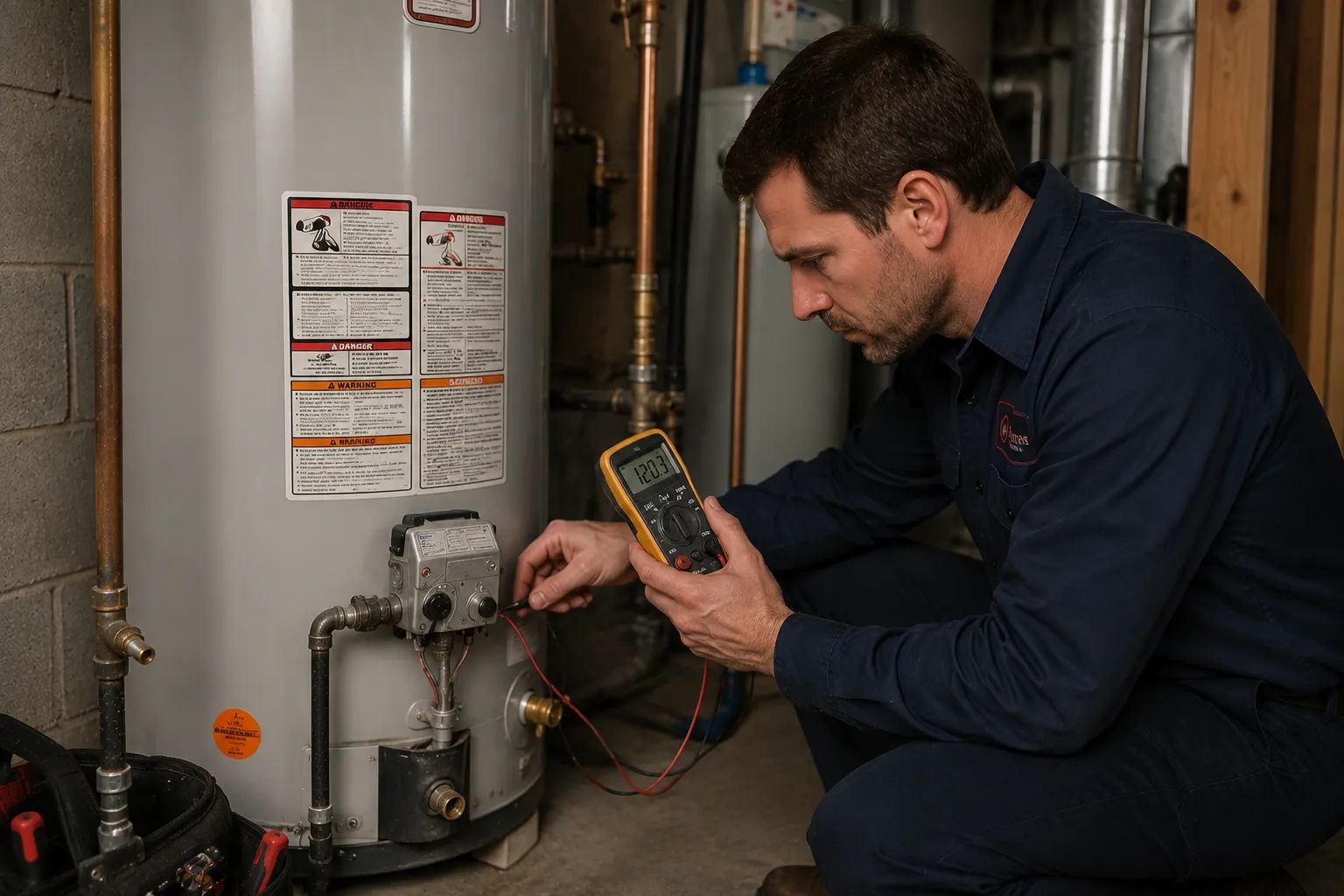
Plumber using a multimeter to diagnose electrical and temperature problems on a tank water heater.

No Hot Water

No hot water often results from a failed heating element, faulty thermostat, pilot light problem, failed thermocouple, gas burner issue, ignition failure, tripped electrical supply, or gas control problem. We test the power or gas supply, inspect the heating components, confirm the failure, repair the affected part, and restore hot water whenever the existing unit remains serviceable.

Not Enough Hot Water

Not enough hot water can indicate incorrect thermostat settings, sediment buildup, damaged heating elements, reduced burner performance, an aging tank, or a water heater that cannot meet current demand. We check water temperature, heating recovery, tank capacity, component condition, and sediment accumulation to determine what is limiting hot water supply.

For tank water heaters, sediment at the bottom of the reservoir can slow heat transfer and shorten system life. A sediment flush may improve heating performance when buildup has not already damaged the tank or heating components.

Water Heater Leaking

Water heater leaking problems require prompt inspection because the source of the leak determines whether repair is possible. Water can leak from plumbing connections, the drain valve, temperature and pressure relief valve, water supply fittings, or the tank body itself.

A loose fitting or leaking valve may only require repair or replacement of the affected component. A leaking tank caused by internal corrosion usually indicates that the water heater has reached the end of its service life and should be replaced before additional water damage develops.

Water Temperature Is Too Hot or Too Cold

Water temperature that is too hot or too cold frequently points to thermostat problems, failed heating elements, temperature control faults, or improper system settings. We test the thermostat, inspect heating components, check temperature output, and adjust or replace failed parts to restore consistent hot water.

Water that overheats also creates a safety concern. We inspect temperature controls and the pressure relief system to confirm that the heater can operate within its intended range.

Water Heater Making Strange Noises

Water heater making strange noises may indicate sediment buildup, mineral deposits, burner problems, restricted water flow, or expanding sediment inside the tank. Popping, rumbling, banging, knocking, and hissing sounds should be inspected when they become frequent or noticeably louder.

A tank that begins to rumble or pop often contains sediment around the heating surface. We inspect the unit and determine whether flushing, descaling, component repair, or replacement provides the appropriate solution.

Discolored or Rusty Hot Water

Discolored or rusty hot water can develop when the tank corrodes, the anode rod deteriorates, or mineral deposits collect inside the water heater. The anode rod protects the tank by corroding before the tank body does, but a spent anode rod eventually stops providing that protection.

We inspect the tank condition, anode rod, water connections, and sediment inside the unit. Replacing a deteriorated anode rod can extend the life of a serviceable tank, while visible tank corrosion may signal that replacement makes more sense.

Low Hot Water Pressure

Low hot water pressure can result from mineral buildup, restricted hot water pipes, valve problems, sediment, or narrowed plumbing connections. We compare hot and cold water flow, inspect valves and supply connections, and identify where the restriction begins before recommending repair.

Pilot Light Keeps Going Out

Pilot light problems in gas water heaters can involve a failed thermocouple, gas control valve, burner, igniter, venting issue, or restricted air supply. We inspect the gas components, confirm safe gas flow, test ignition operation, and repair the defective component when conditions allow.

Types of Water Heaters We Repair

Types of water heaters we repair include common residential and commercial systems installed throughout Seattle properties. Our technicians work with different fuel sources, tank configurations, heating components, controls, and hot water demands.

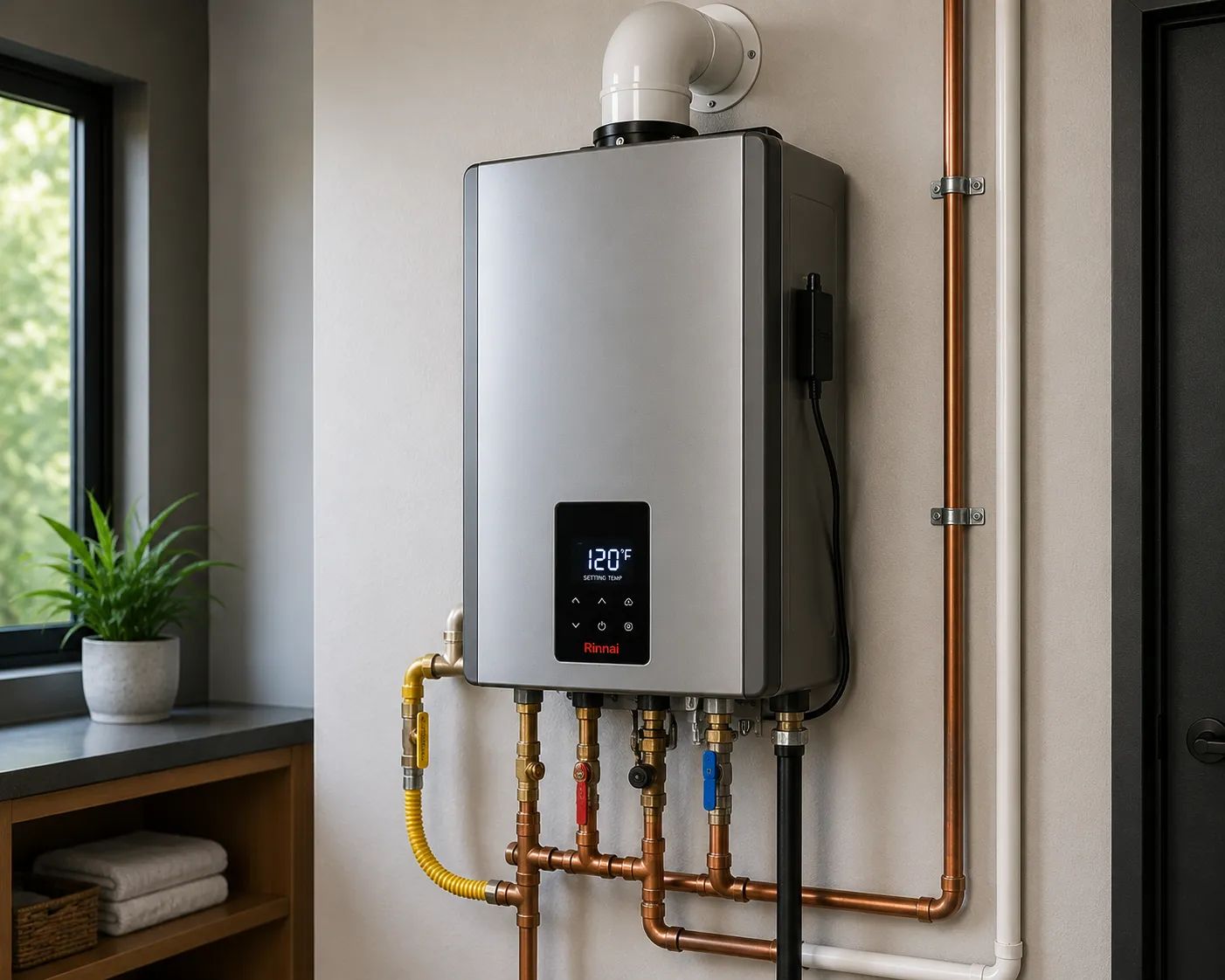
Modern wall-mounted tankless water heater with copper water lines, gas connection, valves, and vent piping.

Gas Water Heaters

Gas water heaters rely on burners, ignition components, thermocouples, gas control valves, venting, and temperature controls to heat stored water. We inspect gas supply connections, burner operation, pilot or electronic ignition, venting, thermostat controls, and safety components before completing gas water heater repair.

Electric Water Heaters

Electric water heaters commonly develop problems involving heating elements, thermostats, electrical connections, or power supply. We test the upper and lower heating elements, confirm thermostat operation, inspect wiring connections, and replace failed electrical components when appropriate.

Tank Water Heaters

Tank water heaters store heated water inside an insulated reservoir and can develop sediment buildup, tank corrosion, valve leaks, damaged anode rods, faulty dip tubes, and heating problems. We inspect both the water heating components and tank condition before determining whether repair or replacement provides better value.

Tankless Water Heaters

Tankless water heaters heat water on demand rather than storing it in a tank. Tankless water heater repair may involve ignition systems, burners, heat exchangers, sensors, water flow components, mineral buildup, venting, or temperature controls.

We diagnose error conditions, inspect water and gas connections, test system operation, and descale mineral buildup when maintenance can restore proper flow and heating performance.

High-Efficiency Water Heaters

High-efficiency water heaters use advanced controls and heating systems to reduce unnecessary energy use and standby heat loss. We inspect the components specific to the unit, identify the failure, and recommend repairs that preserve safe and efficient operation where possible.

Signs You Need Water Heater Repair

Signs you need water heater repair include:

  • Hot water runs out quickly
  • Water heats slowly
  • No hot water
  • Inconsistent water temperature
  • Water around the tank
  • Popping or rumbling noises
  • Rusty or discolored water
  • Low hot water pressure
  • Higher energy use
  • Repeated pilot light problems
  • Ignition problems

Ignoring these signs can allow sediment, corrosion, leaks, or failed components to cause additional damage. Early inspection can often identify a smaller repair before the problem affects the tank, nearby plumbing, or hot water supply.

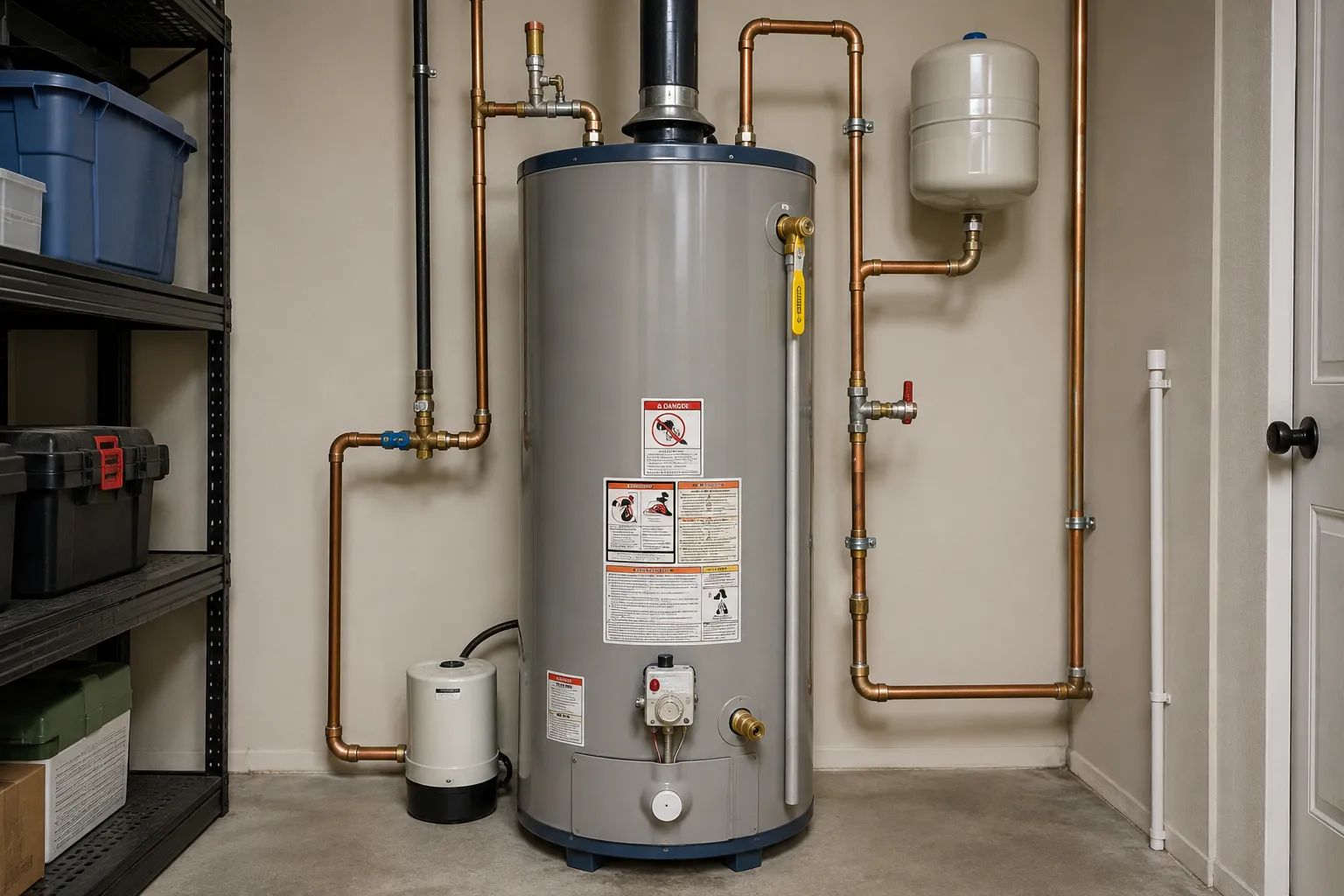
Tank water heater installed in a utility room with copper plumbing connections, shutoff valves, vent pipe, and expansion tank.

Water Heater Parts We Inspect and Repair

Water heater parts we inspect and repair include:

  • Thermostats
  • Heating elements
  • Gas burners
  • Igniters
  • Thermocouples
  • Gas control valves
  • Anode rods
  • Drain valves
  • T&P relief valves
  • Dip tubes
  • Venting components
  • Water supply connections

Each part performs a specific function, so accurate diagnosis helps separate the actual failure from secondary symptoms.

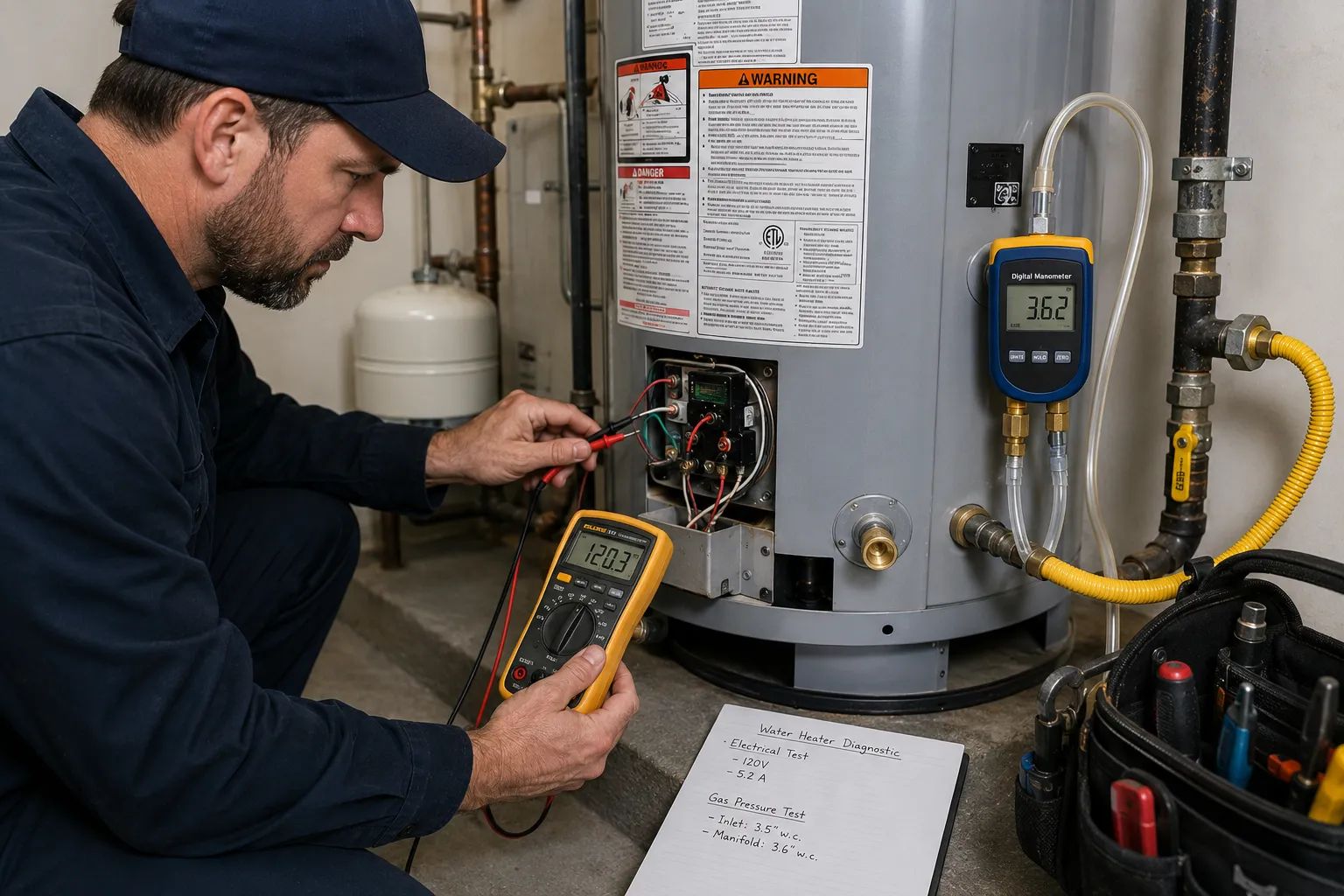
Plumber using a multimeter and digital manometer to test electrical components and gas pressure on a water heater.

Common Symptoms and Related Parts

  • Lukewarm water: May indicate a failed heating element or thermostat.
  • Gas unit will not stay lit: May involve the thermocouple or gas control valve.
  • Leak near the top of the unit: May come from a fitting or water supply connection.
  • Water at the base of the unit: May indicate a drain valve, pressure component, or corroded tank.

Our Water Heater Repair Process

Our water heater repair process follows a direct sequence: inspect, diagnose, explain, repair, test, and confirm safe performance. This process allows our plumbers to identify the cause of the problem before parts are replaced.

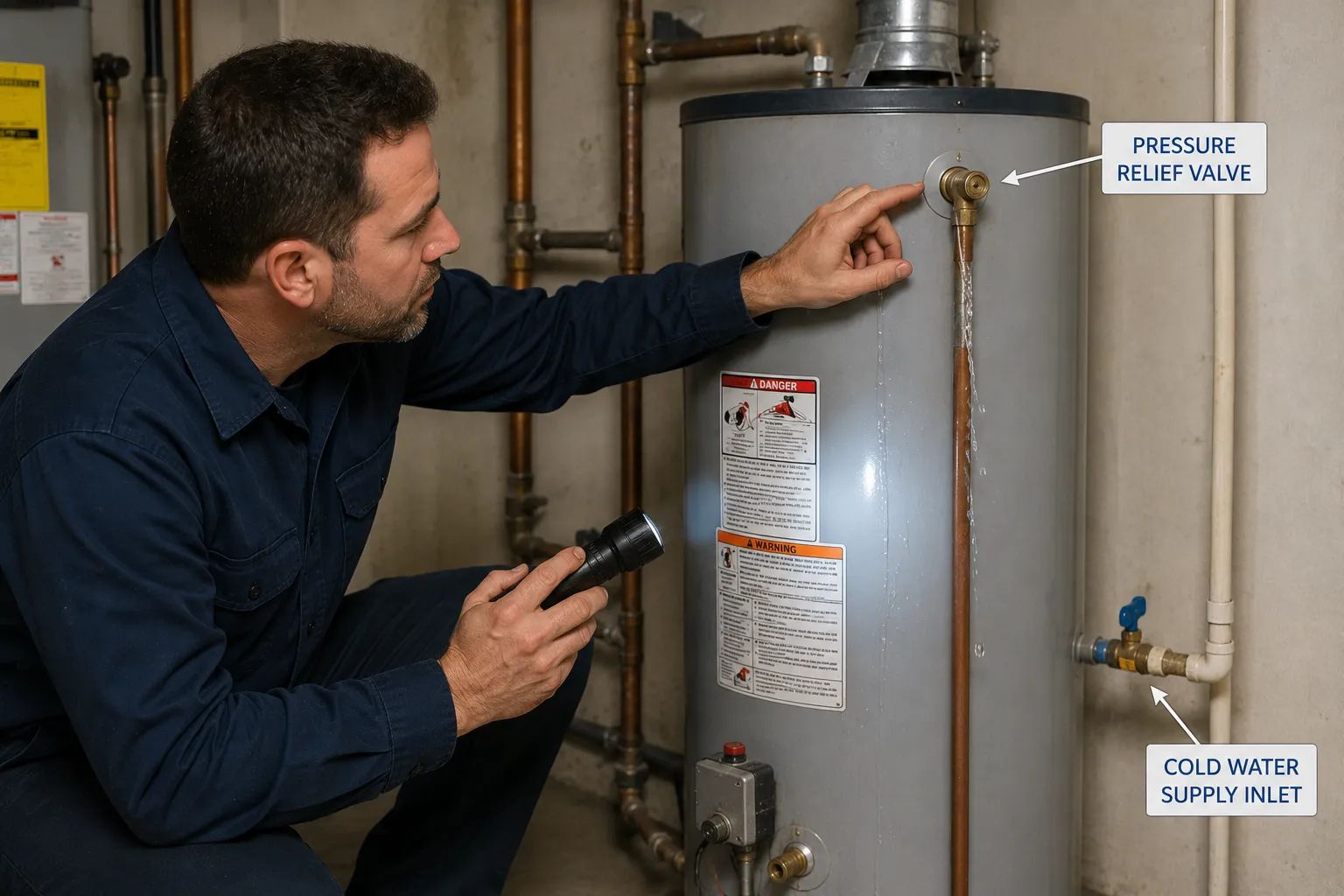
Plumber inspecting a leaking water heater pressure relief valve and water supply connections.

Inspect the Water Heater

Inspect the water heater means checking the tank or tankless unit, plumbing connections, valves, controls, venting, heating components, visible corrosion, water around the base, and other signs of damage.

Diagnose the Cause of the Problem

Diagnose the cause of the problem means testing the components connected to the symptom rather than assuming which part failed. We check water temperature, power, gas supply, thermostat function, ignition, heating elements, pressure components, and water flow as required.

Explain the Recommended Repair

Explain the recommended repair means telling you what failed, what repair is required, and whether the current water heater remains a practical system to service. We provide clear repair recommendations before proceeding.

Repair or Replace Faulty Components

Repair or replace faulty components means removing the failed part and installing the correct replacement when the heater itself remains in suitable condition. Repairs may involve thermostats, heating elements, valves, thermocouples, igniters, burners, anode rods, or plumbing connections.

Test Water Temperature and Operation

Test water temperature and operation means running the system after repair, confirming that the water heats correctly, and checking that controls respond as intended.

Check for Leaks and Safe Performance

Check for leaks and safe performance means inspecting repaired connections, valves, gas components, pressure controls, and surrounding plumbing before service is completed.

Water Heater Repair vs. Replacement

Water heater repair vs. replacement depends on the age of the unit, tank condition, corrosion, repair frequency, failed components, energy efficiency, warranty status, and the cost of repair compared with installing a new water heater.

Repair often makes sense when the tank remains sound and the problem involves a replaceable component such as a thermostat, heating element, thermocouple, igniter, valve, or anode rod. Replacement usually makes more sense when the tank itself leaks, corrosion is extensive, costly repairs keep returning, or the existing unit no longer supplies enough hot water for the property.

Seattle Plumbers can inspect the system and explain both options so you can choose based on condition, expected lifespan, repair cost, and hot water demand rather than guesswork.

Emergency Water Heater Repair

Emergency water heater repair addresses problems that can cause immediate water damage, loss of essential hot water, pressure concerns, or gas safety issues. Major leaks, a burst or damaged tank, uncontrolled water around the heater, gas water heater concerns, or a faulty pressure relief component require prompt attention.

If water is actively leaking, shut off the water supply to the heater when it is safe to do so. If you smell gas or suspect a gas leak, leave the area and contact the appropriate emergency or utility service before arranging plumbing repair.

Water Heater Maintenance to Help Prevent Repairs

Water heater maintenance to help prevent repairs includes flushing sediment, checking the anode rod, inspecting valves and plumbing connections, testing the T&P relief valve, checking burners or heating elements, and watching for corrosion or leaks.

Regular maintenance can remove sediment that slows heating, identify a spent anode rod before tank corrosion develops, and catch loose or leaking connections before they damage the surrounding area. Tankless units may also require periodic descaling to clear mineral deposits and maintain proper water flow.

Why Choose Seattle Plumbers for Water Heater Repair

  • Accurate diagnosis of water heater problems
  • Repair options explained clearly before work begins
  • Service for gas, electric, tank, and tankless systems
  • Residential and commercial water heater experience
  • Practical guidance on repair versus replacement
  • Focused on restoring safe, reliable hot water

Water Heater Repair Service Areas

Water heater repair service areas include Seattle neighborhoods and nearby communities where homeowners, landlords, property managers, offices, restaurants, and other businesses need dependable hot water service. We service residential properties and commercial water heating systems across the local Seattle area.

Local service allows Seattle Plumbers to address common water heater issues involving sediment, aging equipment, plumbing connections, gas and electric heating components, tank leaks, tankless systems, and hot water demand.

Frequently Asked Questions About Water Heater Repair

Why is my water heater not producing hot water?

Why your water heater is not producing hot water may involve a failed heating element, thermostat, thermocouple, pilot light, igniter, burner, electrical supply, or gas control component. Testing identifies which part has failed.

Why does my water heater run out of hot water quickly?

Why your water heater runs out of hot water quickly may relate to sediment buildup, a damaged heating element, thermostat problems, reduced tank capacity, excessive demand, or an aging water heater.

Can a leaking water heater be repaired?

A leaking water heater can sometimes be repaired when the leak comes from a valve, fitting, supply connection, or replaceable component. A leaking tank body generally requires replacement.

Why is my water heater making popping or banging noises?

Water heater popping or banging noises often develop when sediment and mineral deposits collect at the bottom of the tank and interfere with normal heating.

How much does water heater repair cost?

Water heater repair cost depends on the failed component, heater type, required parts, labor, accessibility, and whether additional plumbing work is needed. An inspection provides the information required for an accurate repair estimate.

Is it better to repair or replace an old water heater?

Repairing or replacing an old water heater depends on tank condition, age, corrosion, repair history, efficiency, and repair cost. A sound tank with a failed replaceable part may still justify repair.

How long does a water heater repair usually take?

Water heater repair time depends on the problem, system type, required parts, and accessibility. Many component repairs can be completed during a standard service visit once the cause is diagnosed.

Can you repair both gas and electric water heaters?

Gas and electric water heater repair is available for common tank and water heating systems, including problems involving burners, igniters, thermocouples, thermostats, and electric heating elements.

Do you repair tankless water heaters?

Tankless water heater repair includes diagnosis of heating, ignition, water flow, mineral buildup, venting, controls, and other components that affect on-demand hot water operation.

What should I do if my water heater is leaking?

What to do when your water heater is leaking depends on the severity and source of the leak. Shut off the heater's water supply when safe, protect the surrounding area from water damage, and schedule an inspection to identify whether the leak can be repaired.

Schedule Water Heater Repair in Seattle

Schedule water heater repair in Seattle when your system stops heating, leaks, makes unusual noises, produces discolored water, loses pressure, or cannot keep up with normal hot water demand. Seattle Plumbers can inspect the water heater, diagnose the issue, explain the recommended repair, and provide an estimate before work begins.

Call today to schedule water heater service for your Seattle home or business.

Our Other Plumbing Services

Call Now