Gas line failures create three primary hazards: fire, explosion, and carbon monoxide poisoning. A break in a gas line demands urgent repair; urgent repair prevents leaks, pressure loss, and safety hazards. Neglected gas piping systems compound risk over time; improperly repaired gas lines multiply that risk further. The solution is consistent: early detection paired with licensed intervention converts a potential emergency into a routine repair.
Why Gas Line Inspection and Early Repair Matter
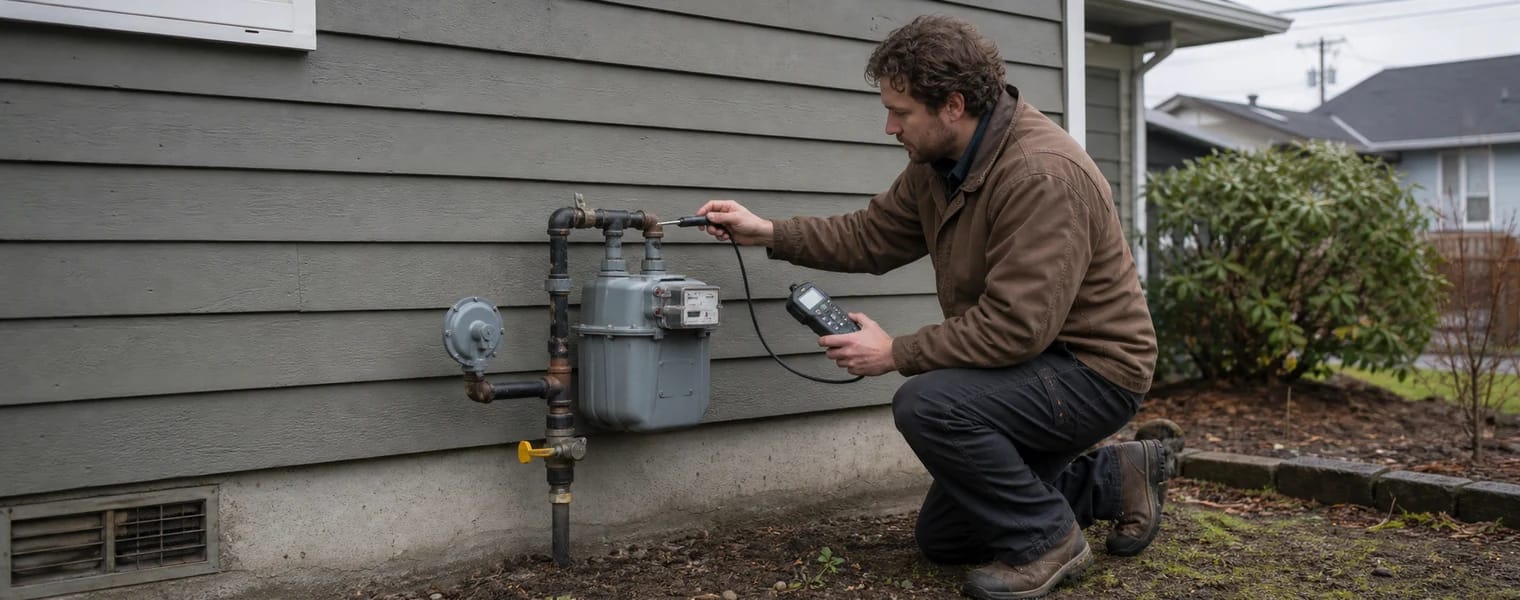
Households depend on natural gas for heating, cooking, and appliance power; that dependence creates exposure whenever the delivery system degrades. A damaged gas line does more than disable an appliance; a damaged gas line introduces fire risk, explosion risk, and carbon monoxide risk simultaneously. Gas piping systems require periodic inspection; periodic inspection is the mechanism that keeps small defects from becoming structural failures.
Seattle Plumbers operates on a proactive-detection model; the proactive-detection model links early identification of gas line problems to lower repair cost and higher household safety. Seattle Plumbers serves Seattle, WA as a primary service base and extends emergency plumbing services to surrounding regions; the solution scales from routine inspection to same-day emergency response without a change in provider.
Gas Leak Warning Signs That Require Immediate Action
Gas line failure produces measurable, recognizable signals; each signal maps to a specific underlying cause and a specific corrective action.
Top Signs of a Gas Line Leak
- Unusual Smell: Natural gas is inherently odorless; mercaptan is the additive responsible for its detectable, sulfurous, rotten-egg scent. Detecting this smell is the single most reliable consumer-level indicator of an active leak.
- Hissing Sound: A continuous hissing sound near a gas appliance or gas pipe indicates gas escaping under elevated pressure; the sound's persistence correlates with leak severity.
- Dead or Dying Plants: Underground gas lines that leak displace soil oxygen; displaced oxygen causes vegetation discoloration and die-off directly above the buried line.
- Spiking Utility Bills: A leaking gas line causes continuous gas loss; continuous gas loss registers as unexplained billing increases even when appliances remain off.
- Bubbles in Standing Water: Outdoor gas leaks near a foundation push gas through moist soil; that gas produces visible bubbling in puddles or saturated ground.
Each sign functions as an early-warning system; the appropriate response to any single sign is immediate action, not observation.
What to Do When You Suspect a Gas Leak
Gas leaks fall outside the scope of DIY remediation; DIY intervention on an active gas leak increases, rather than reduces, risk.
Immediate Actions to Take During a Gas Leak
- Evacuate the Area: Remove all occupants from the structure immediately; speed outweighs the value of retrieving belongings.
- Do Not Use Electronics: Avoid switches and phones inside the affected space; electronic sparks can ignite accumulated gas.
- Shut Off the Gas: Close the main gas valve if it is safely accessible; closing the valve halts continued gas flow into the structure.
- Call for Help: Contact the gas utility and a licensed plumber for standard leaks; contact 911 for active emergencies.
Re-entry into the property should wait for professional clearance; a licensed plumber's clearance is the safety checkpoint, not personal judgment. Seattle Plumbers' emergency plumbing services in Ballard and other service areas provide that clearance and follow-up repair in one engagement.
Choosing Between Gas Line Repair and Replacement
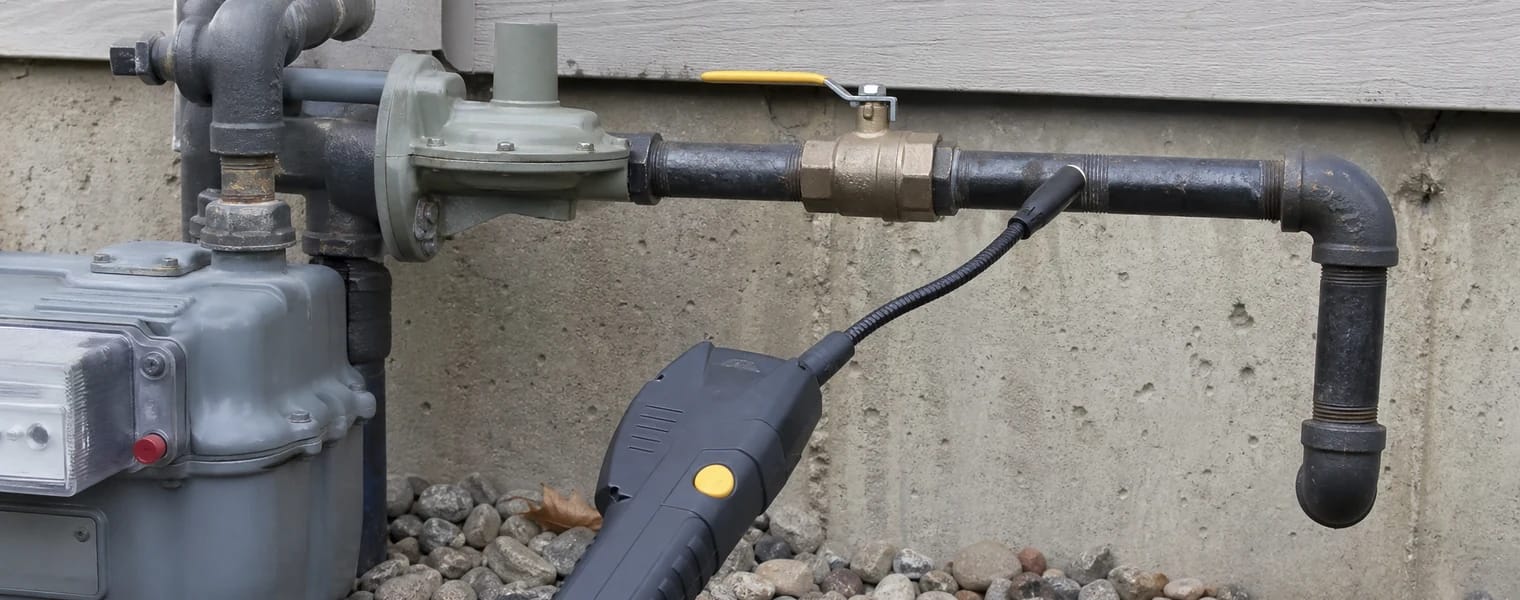
Repair-versus-replacement decisions depend on three variables: location of the damage, size of the affected section, and severity of the deterioration. Pipe age is an additional cost driver; the extent of existing damage is a second cost driver; both factors shift the balance between patch repair and full replacement.
Repair Options for Minor Leaks and Localized Damage
Minor punctures, localized corrosion, and loose connections typically qualify for gas leak repair rather than replacement; targeted repair avoids major excavation in most cases. CIPP (Cured-In-Place Pipe) is a trenchless solution; CIPP restores natural gas lines from the interior; CIPP delivers speed, minimal invasiveness, and cost efficiency as its three core advantages.
When Corrosion and Multiple Weak Points Require Replacement
Widespread corrosion, general wear, and outdated materials, specifically galvanized steel and black iron, indicate that full gas line replacement is the safer path. Damaged gas lines with multiple weak points carry elevated future-leak risk; multiple weak points is the technical trigger that shifts the recommendation from repair to full replacement. A newly installed line eliminates recurring repair cycles that a partially compromised line would otherwise generate.
Gas Line Repair Process and Final Pressure Testing
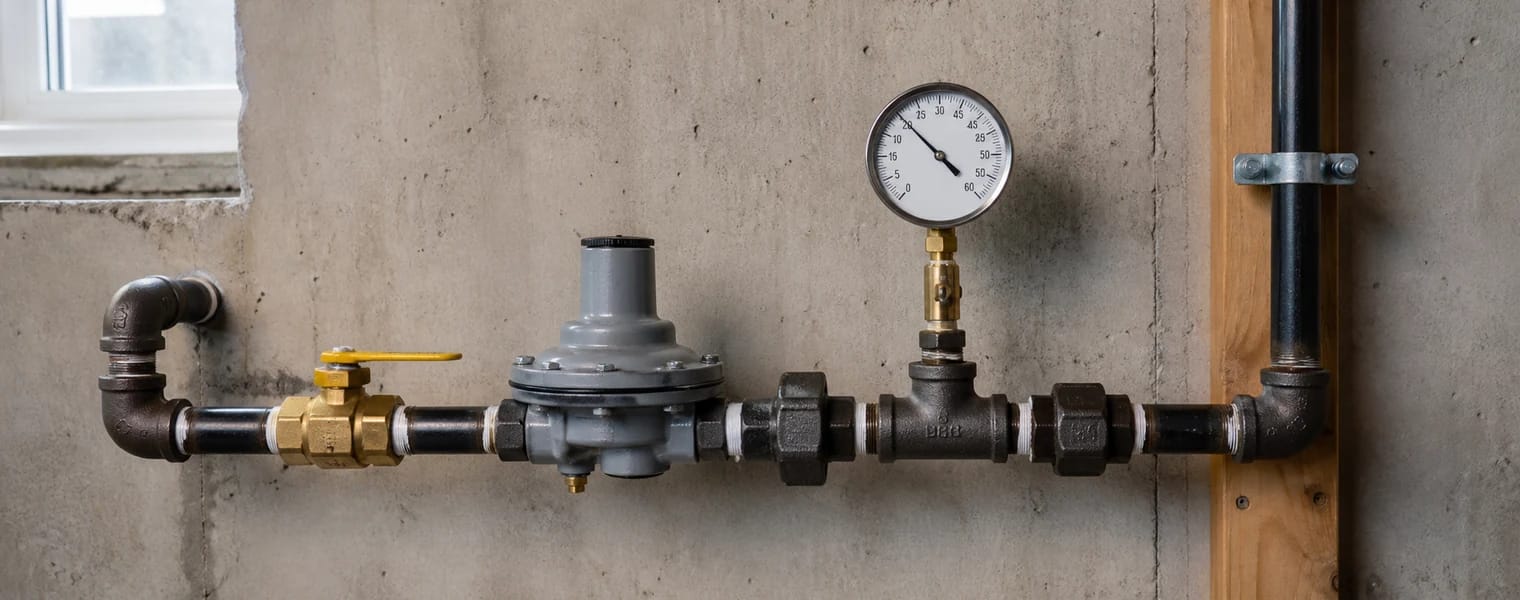
A pressure test is the final verification step in any gas line repair; the pressure test confirms that all leaks have been resolved and that the system meets safety standards.
How CIPP and SIPP Repair Gas Lines Without Major Excavation
- CIPP (Cured-In-Place Pipe): A resin-coated liner is inserted into the damaged gas line; the liner hardens in place to form a new internal pipe wall.
- SIPP (Sprayed-In-Place Pipe): An epoxy coating is sprayed onto the interior of the gas pipe; the coating seals existing defects and prevents future leak points.
Both trenchless methods are suited to buried lines and complex gas system layouts; both methods reduce the excavation footprint compared to traditional replacement.
How a Damaged Gas Line Section Is Replaced
- Access the Line: Locate and expose the affected gas line section.
- Cut and Remove: Extract the damaged segment of gas line.
- Install New Pipe: Fit approved gas piping rated for high pressure and future demand.
- Seal and Test: Execute a pressure test to confirm the absence of remaining leaks.
How Emergency Gas Line Repair Is Handled
A torn gas line requires immediate professional attention; delay converts a contained problem into an active hazard.
Immediate Leak Containment and Repair Actions
- Shut off the gas supply using dedicated shut-off valves.
- Contain the leak and assess the full extent of gas line damage.
- Dispatch licensed plumbers equipped for same-day line repair.
Seattle Plumbers' emergency crew manages diagnostics and containment as a single continuous process; that continuity removes the coordination burden from the homeowner during a high-stress event.
Permits, Safety Codes, and Licensed Gas Line Repair
Gas piping is subject to regulatory code; regulatory code exists because repair errors during gas line installation or repair can cause explosions, poisoning, or structural property damage. Gas companies own responsibility for main supply lines and gas meters; licensed plumbers own responsibility for repair and maintenance of gas lines within the home. This division of responsibility is the structural reason a licensed plumber, not the utility, is the correct point of contact for in-home repairs.
Every Seattle Plumbers gas line job includes three guarantees:
- Permits and Inspections: Required for legal compliance and verified safety, not optional add-ons.
- High-Quality Materials: Components rated for high pressure and sustained natural gas exposure.
- Warranty and Follow-Up: Coverage on completed work plus guidance for future maintenance.
Long-Term Prevention: What You Can Do Now
Regular pipe inspection prevents gas leaks; prevention is consistently less costly than emergency repair in both time and money.
How to Inspect, Upgrade, and Monitor Your Gas System
- Schedule Regular Inspections: A qualified plumber identifies corrosion, cracks, and blockages before they escalate into leaks.
- Upgrade Outdated Piping: Replace galvanized steel and black iron with modern, safer pipe materials.
- Install Detectors: Natural gas detectors identify leaks that are below the threshold of human smell.
- Learn Your System: Knowing the location and operation of shut-off valves shortens response time during a crisis.
- Watch for Signs: Rotten-egg odor, sudden drops in gas service quality, and abnormal appliance behavior are all monitoring triggers.
- Inspect Regularly: Routine inspection for wear, corrosion, and leaks should be paired with prompt correction of any finding.
Frequently Asked Questions
What are the signs of a gas line leak?
A rotten egg smell, a hissing sound, brown patches of lawn, and rising gas bills are the primary indicators; malfunctioning gas appliances and bubbles in standing water near a buried line are secondary indicators.
What should I do if I suspect a gas leak?
Shut off the gas supply, evacuate the area, and contact the gas company immediately; follow with a call to a licensed plumber for emergency service.
Can a gas line be repaired instead of replaced?
Minor gas line damage, such as small cracks or isolated leaks, is typically resolvable with CIPP and similar trenchless tools; extensive corrosion or multiple concurrent issues typically requires full replacement.
What is CIPP trenchless gas pipe repair?
CIPP is a trenchless repair method; a liner is inserted into the existing pipe and cured in place; the cured liner forms a new pipe within the old one, eliminating the need to excavate the yard.
How long does gas line repair take?
Most gas line repairs are completed within one to three days; short sections or urgent jobs may qualify for same-day service.
Is gas line repair safe to do myself?
No. Gas line repair without proper licensing, training, and tools is both illegal and highly dangerous; a licensed plumber is required for any gas line work.
How do I choose a qualified plumber for gas work?
Prioritize licensed plumbers with current certifications, positive reviews, and demonstrated experience in both gas line installation and gas leak repair; confirm warranty terms and post-repair pressure testing before hiring.
Final Thoughts: Safety Starts With Action
Gas line issues advance silently; silent advancement is precisely why early detection and licensed intervention function as the two-part solution to gas line risk. Seattle Plumbers pairs inspection, repair, and replacement services under one provider, converting a multi-step safety problem into a single accountable engagement.
Seattle Plumbers serves Seattle, Ballard, Capitol Hill, Queen Anne, Fremont, West Seattle, Bellevue, Kirkland, Redmond, Renton, Shoreline, Tacoma, Everett, and Burien with licensed gas line repair, gas line installation, and emergency plumbing response.